andy le andy le

HIIT Classes Seattle: What They Are and Whether They’re Right for You

EducationApril 20265 min read

HIIT Classes Seattle: What They Are and Whether They’re Right for You

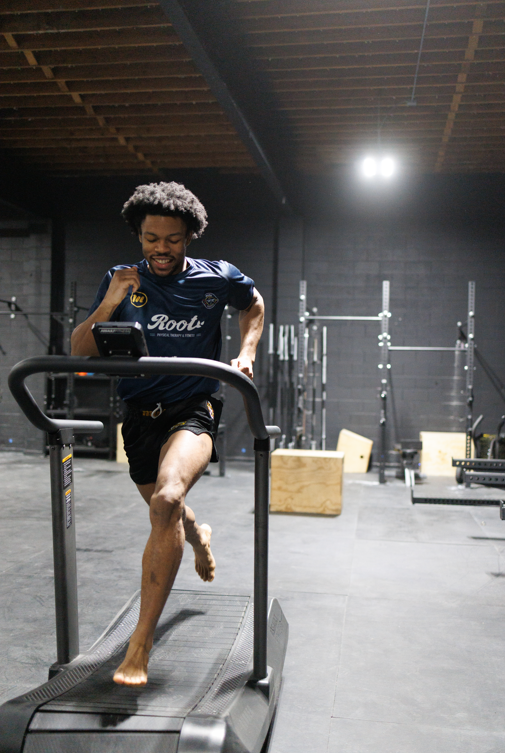
HIIT classes Seattle - Root Strength Georgetown high intensity training

If you’ve been searching for HIIT classes in Seattle, you’ve probably noticed that the term gets applied to almost everything. Bootcamp-style circuits, cardio intervals, barbell complexes, bike sprints — gyms label all of it HIIT because the term converts well in search results.

This guide — written by our team of Doctors of Physical Therapy and coaches at Root Strength Georgetown — explains what HIIT actually is, what the research says about who benefits most from it, and how we program it safely and effectively at Root Strength.

What HIIT Actually Is

High intensity interval training (HIIT) alternates periods of high-effort output with periods of active or full rest. The defining feature is the intensity contrast — not just doing hard cardio, but pushing to near-maximal effort and then recovering before going again.

A true HIIT session is relatively short — typically 20 to 35 minutes of actual work. If your “HIIT class” runs 75 minutes of continuous effort, it’s not really HIIT. It’s just a long workout.

What HIIT Does for Your Body

The research on HIIT is strong and consistent:

  • Cardiovascular efficiency: HIIT improves VO2 max (your body’s ability to use oxygen during exercise) more effectively than steady-state cardio in less time
  • Metabolic effect: High-intensity work creates an elevated calorie burn that extends beyond the workout itself
  • Insulin sensitivity: Particularly relevant for people in their 40s and 50s, HIIT improves how the body processes glucose
  • Time efficiency: 25 minutes of real HIIT produces cardiovascular adaptations comparable to 45–60 minutes of moderate-intensity cardio

Who HIIT Is Best For — and Who Should Be Careful

Good fit for

  • People with limited training time
  • Those who want cardiovascular gains alongside strength
  • Athletes who need conditioning work
  • People who get bored with steady cardio
  • Intermediates who have a movement base

Approach carefully if

  • You’re brand new to training (build a base first)
  • You have joint issues that flare with impact
  • You’re recovering from injury
  • Your recovery capacity is already compromised
  • You’re doing HIIT every day (more is not better)

From our PT team: The most common HIIT-related injuries we see aren’t from the intensity. They’re from doing high-intensity work on top of movement patterns that haven’t been established yet. A coach who watches your form during HIIT — not just a playlist and a timer — makes all the difference.

How HIIT Is Programmed at Root Strength Seattle

At Root Strength in Georgetown, HIIT classes run on Monday, Tuesday, and Wednesday at 9AM and Tuesday at 5PM. Here’s what makes our approach different from typical HIIT studios in Seattle:

  • Coached, not just timed. A coach watches every session — cueing movement quality even at high intensity, not just counting reps
  • Scaled appropriately. Every movement has a modification so the intensity is appropriate for your fitness level, not the person next to you
  • PT-informed programming. Our team of Doctors of Physical Therapy reviews programming to ensure movement loads are appropriate and injury risk is minimized
  • Paired intelligently with strength work. HIIT is one component of a complete program — not the whole thing. Members who also train strength see better results from both

How to Get Started With HIIT Classes in Seattle

The 2-week trial at $39.99 gives you full access to every class at Root Strength — including all HIIT sessions — for two weeks. Try a Monday morning HIIT, compare it to a Root Strength class, and find the combination that works for your body and your schedule.

Root Strength is at 6332 6th Ave S, Georgetown, Seattle — accessible from SoDo, Columbia City, Beacon Hill, and South Seattle with free street parking.
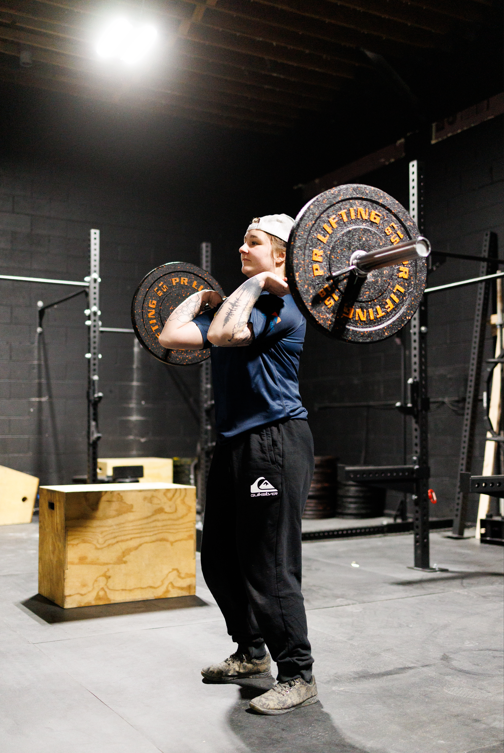
TRY A HIIT CLASS FOR FREE

2-week trial includes full access to all HIIT and strength classes.

Start Your 2-Week Trial — $39.99
Read More
andy le andy le

How to Choose a Gym in Seattle as a Working Professional

ProfessionalsApril 20266 min read

How to Choose a Gym in Seattle as a Working Professional

Gym for working professionals Seattle - Root Strength Georgetown

If you work a full-time job in Seattle, choosing the right gym isn't just about equipment or price. It's about whether the gym actually fits into your life as it is — not as you wish it were.

The number one reason working professionals in Seattle stop going to the gym is not motivation. It's friction. The gym is inconvenient, the schedule doesn't work, or a minor injury forces a break that turns into six months off. This guide — from our team of Doctors of Physical Therapy and coaches at Root Strength Georgetown — breaks down exactly what to prioritize when choosing a gym in Seattle as a working professional.

The 4 Things That Actually Determine Gym Consistency for Professionals

1. Schedule flexibility — not just "flexible hours"

A gym that offers one morning class and two evening classes per week isn't flexible enough for a professional schedule. Meetings run late. Travel happens. Kids get sick. You need a gym with enough class times that missing one doesn't derail your week entirely.

At Root Strength, there are 28 strength classes per week — 6AM through 6PM across seven days. If your Monday 6AM doesn't happen, there's a noon class, an evening class, and a Tuesday version of the same workout.

6 AM
Before Work
MetCon, Root Strength
12 PM
Lunch Break
Root Strength, HIIT
5 PM
After Work
MetCon, Root Strength

2. Showers and lockers on-site

Training before work or during lunch only works if you can clean up afterward. A gym without showers adds a whole step — going home first, or showing up to the office post-workout — that kills the habit for most professionals.

Root Strength has full locker rooms and showers on-site. Train at 6AM and be at your desk by 8. Train during lunch and be back in a meeting by 1.

3. Efficient, coached workouts — not time-wasting solo sessions

When your time is limited, every session has to count. Wandering around a gym floor deciding what to do next is inefficient and leads to inconsistent training. Coached group classes solve this completely — you show up, the program is designed, the coach runs the session, and you leave having done something that actually works.

Our team of Doctors of Physical Therapy and coaches designs every Root Strength class around compound movements, progressive loading, and intelligent conditioning — not random circuits or exhaustion for its own sake.

4. Injury management built in — not bolted on

Professionals in their 30s, 40s, and 50s carry a lot of accumulated wear and tear. A desk job adds to it. Training without recovery support is a risk that most people absorb quietly until something breaks down and forces a long unplanned break.

At Root Strength, on-site physical therapy is part of the facility. Our team of Doctors of Physical Therapy accepts most major insurance plans and works in the same building as your strength coaches. When something flares up — and it will — you don't lose momentum. You address it and keep going.

From our PT team: The professional members who train most consistently at Root Strength are the ones who treat their gym like an appointment — non-negotiable, in the calendar, done before the day gets complicated. The 6AM slots fill up first. There's a reason for that.

Why Georgetown Is a Practical Location for Seattle Professionals

Root Strength is at 6332 6th Ave S, Georgetown, Seattle — half a mile off I-5 with free street parking. That makes it a realistic stop on the way to downtown Seattle, SoDo, Columbia City, Beacon Hill, or anywhere in South Seattle without adding meaningful commute time.

No parking fees. No circling the block. Pull up, train, shower, leave. That's the professional-friendly version of what a gym should be.

The Right Starting Point

The 2-week trial at $39.99 is the lowest-friction way to test whether Root Strength works with your schedule. Try a 6AM before work, a noon class, and a weekend session. See which slot sticks. Then choose your membership from there — month-to-month, no contracts, no enrollment fees.

START YOUR 2-WEEK TRIAL

Try every class time. No commitment, no enrollment fees.

Claim Your 2-Week Trial — $39.99
Read More
andy le andy le

Best Gym in Georgetown Seattle: What to Look For Before You Join

Local GuideApril 20266 min read

Best Gym in Georgetown Seattle: What to Look For Before You Join

Best gym in Georgetown Seattle - Root Strength coaching team

If you live or work in Georgetown, Seattle and you're looking for a gym, you've probably noticed that your options range from big-box chains with no coaching to boutique studios with limited schedules and high price tags. Neither extreme tends to work well for people who want to actually get stronger and stay consistent.

This guide — written by our team of Doctors of Physical Therapy and coaches at Root Strength — breaks down exactly what to look for when choosing a gym in Georgetown or the surrounding South Seattle neighborhoods. Not what gyms want you to look for. What actually determines whether you'll get results and stay healthy doing it.

The 6 Things That Actually Matter When Choosing a Gym

Coaching quality — not just equipment

Equipment doesn't make you stronger. Coaching does. A gym with great equipment and no instruction is just an expensive place to develop bad habits. Look for a gym where a real coach watches your movement every session and gives real-time feedback.

Recovery support on-site

The best gyms in Seattle don't just help you train — they help you stay healthy doing it. Access to on-site physical therapy means small issues get addressed before they become injuries that sideline you for months.

A schedule that actually fits your life

A gym with three class times per week isn't going to build consistency. Look for 20+ classes per week across morning, noon, and evening slots — so missing one class doesn't derail your whole week.

Transparent, fair pricing

Enrollment fees, cancellation fees, and long-term contracts are red flags. A gym that's confident in its product offers month-to-month membership with no financial traps.

Space and amenities that support your training

Cramped gyms with limited equipment create bottlenecks. Look for enough floor space, barbells, and racks that you're not waiting for equipment during busy hours. Showers and lockers matter too if you're training around work.

A community that keeps you coming back

The research on long-term fitness adherence is consistent: social accountability is one of the strongest predictors of consistency. A gym where people know each other's names and show up for each other is worth more than any piece of equipment.

What Makes Root Strength the Best Gym in Georgetown Seattle

Root Strength is located at 6332 6th Ave S, Georgetown, Seattle — 0.5 miles off I-5 with free street parking. Here's how it measures up against those six criteria:

  • Coaching: Every class includes a coach watching your movement, giving real-time cues, and scaling workouts to your level. Not a personal trainer watching from across the room — an active coach in the class with you.
  • Recovery support: On-site physical therapy led by our team of Doctors of Physical Therapy. Insurance accepted. PT and coaching in the same building.
  • Schedule: 28 strength classes per week across seven days — 6AM through 6PM. Morning, noon, and evening options every weekday.
  • Pricing: Month-to-month memberships starting at $170. No enrollment fees, no cancellation fees, no contracts. 2-week trial for $39.99.
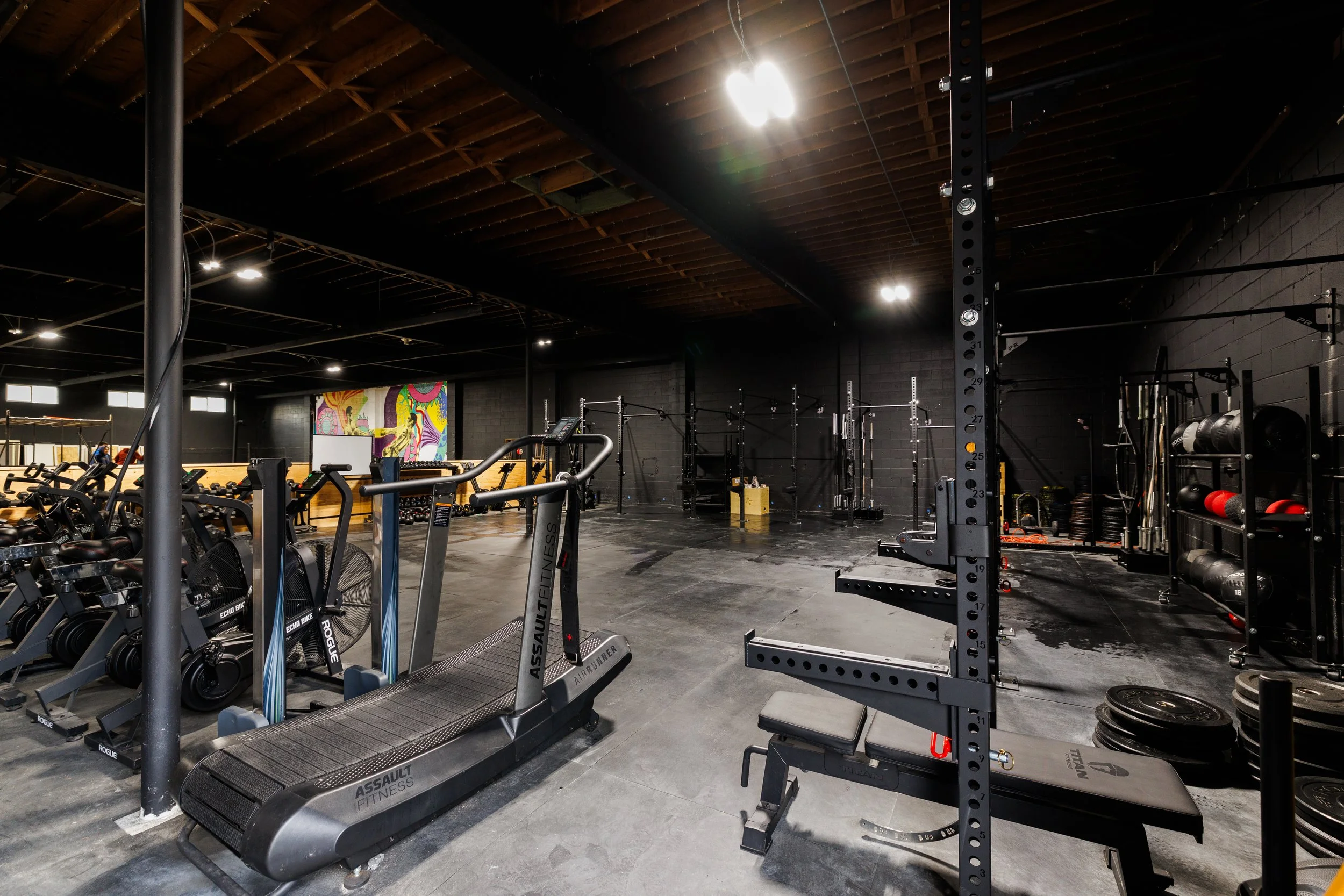
  • Space: 9,000 square feet of training floor with barbells, racks, rowers, Assault bikes, and open gym access Monday through Friday.
  • Community: Georgetown-built, independently owned, and operated by coaches who train alongside their members.

From our PT team: The most common reason people stop going to the gym isn't motivation. It's injury, poor programming, or feeling like they don't belong. The right gym prevents all three of those things before they become problems.

Neighborhoods Root Strength Serves

Root Strength in Georgetown is easily accessible from SoDo, Columbia City, Beacon Hill, Rainier Valley, South Seattle, SODO, and West Seattle. Free street parking makes it practical for members commuting from across the city.

TRY ROOT STRENGTH FOR 2 WEEKS

Full access to all classes. No commitment, no enrollment fees.

Start Your 2-Week Trial — $39.99
Read More
andy le andy le

Coming Back to Training After Injury: What Most People Get Wrong

Injury Recovery April 2026 6 min read

Coming Back to Training After Injury: What Most People Get Wrong

Physical therapy and injury recovery at Root Strength Georgetown Seattle

Most people who return to training after an injury make one of two mistakes. They come back too fast and reinjure themselves within weeks. Or they come back so cautiously that they lose months of fitness and develop a subtle fear of movement that's hard to shake.

Both are understandable. Neither is inevitable.

The difference usually comes down to one thing: whether the return to training is supervised and progressive, or whether it's a guess.

The Gap Nobody Talks About

Standard physical therapy in Seattle — like most places — ends when you're pain-free. Your PT discharges you with some home exercises and a clearance note. You're "good to go."

But pain-free and ready to train are not the same thing.

Between "cleared by PT" and "back to full training capacity" there's a gap — usually 4 to 12 weeks — where movement compensations are still present, tissue strength hasn't fully caught up to pre-injury levels, and neuromuscular patterns are still being re-established. This is the window where most reinjuries happen.

And it's a window that most gyms and most PT clinics in Seattle aren't set up to bridge. The PT has discharged you. The gym doesn't know your history. You're on your own figuring out what you can handle.

The missing piece: A supervised transition where your PT and your coaches are working together — watching you move under load in a real training environment, not just in a clinical setting.

How Root Strength Bridges the Gap

At Root Strength in Georgetown, Seattle, the physical therapist and the strength coaches are in the same building. Dr. Joe Rellora, PT, DPT coaches strength classes and provides on-site physical therapy for members. This setup makes the return-to-training process fundamentally different:

1

PT assessment and baseline

You start with an assessment that looks at your injury history, current movement quality, and what your training goals actually are. Not a generic intake form — a conversation about where you're at and what you're working toward.

2

Parallel rehab and modified training

You don't stop training while you're in rehab. You train with modifications that protect the injured area while keeping the rest of your fitness moving forward. Dr. Rellora monitors your progress in both contexts simultaneously.

3

Supervised progressive reloading

As the injury resolves, load is reintroduced progressively and deliberately. The coaches know your history. The modifications are removed one at a time, not all at once.

4

Full return to training

You get back to training at full capacity — not just pain-free, but with movement patterns that are actually better than before. Most members who go through this process say the injury forced them to fix problems they'd been ignoring for years.

Common Injuries We See at Root Strength Seattle

Dr. Rellora works with members returning from a wide range of injuries. The most common include:

  • Lower back pain and disc injuries — including post-surgical returns and chronic management
  • Knee injuries — ACL reconstructions, meniscus issues, patellofemoral pain
  • Shoulder injuries — rotator cuff repairs, labrum issues, impingement
  • Hip pain and labral tears — especially common in active people over 40
  • Ankle sprains — returning to loading and single-leg work safely
  • Post-surgical rehabilitation of any kind where return to strength training is the goal

Insurance is accepted for physical therapy services — Premera, Regence, Blue Cross Blue Shield, Aetna, and cash pay. Most members pay little to nothing out of pocket.

What Returning Members Say

The pattern we hear most often from members who've returned from injury at Root Strength is some version of: "I came back stronger than before." Not because the injury itself made them stronger — but because the process of supervised, deliberate rehabilitation forced them to address movement issues that had been quietly building for years before the injury happened.

A knee injury that forces you to rebuild hip stability. A shoulder issue that forces you to fix the scapular mechanics you'd been ignoring. A back injury that finally gets you to address the hip mobility you never had. The injury is the problem. The rehab is the opportunity.

How to Get Started

If you're currently recovering from an injury and looking for a physical therapy and strength training facility in Seattle that can handle both sides of your return, reach out directly.

Book a PT consultation with Dr. Rellora. He'll assess where you are, what your goals are, and build a plan that gets you back to training safely and completely. If you're also interested in joining Root Strength classes, the 2-week trial runs at the same time — you can do both simultaneously.

Root Strength is located at 6332 6th Ave S Unit A, Georgetown, Seattle — accessible from SoDo, Columbia City, Beacon Hill, and all of South Seattle with free street parking.
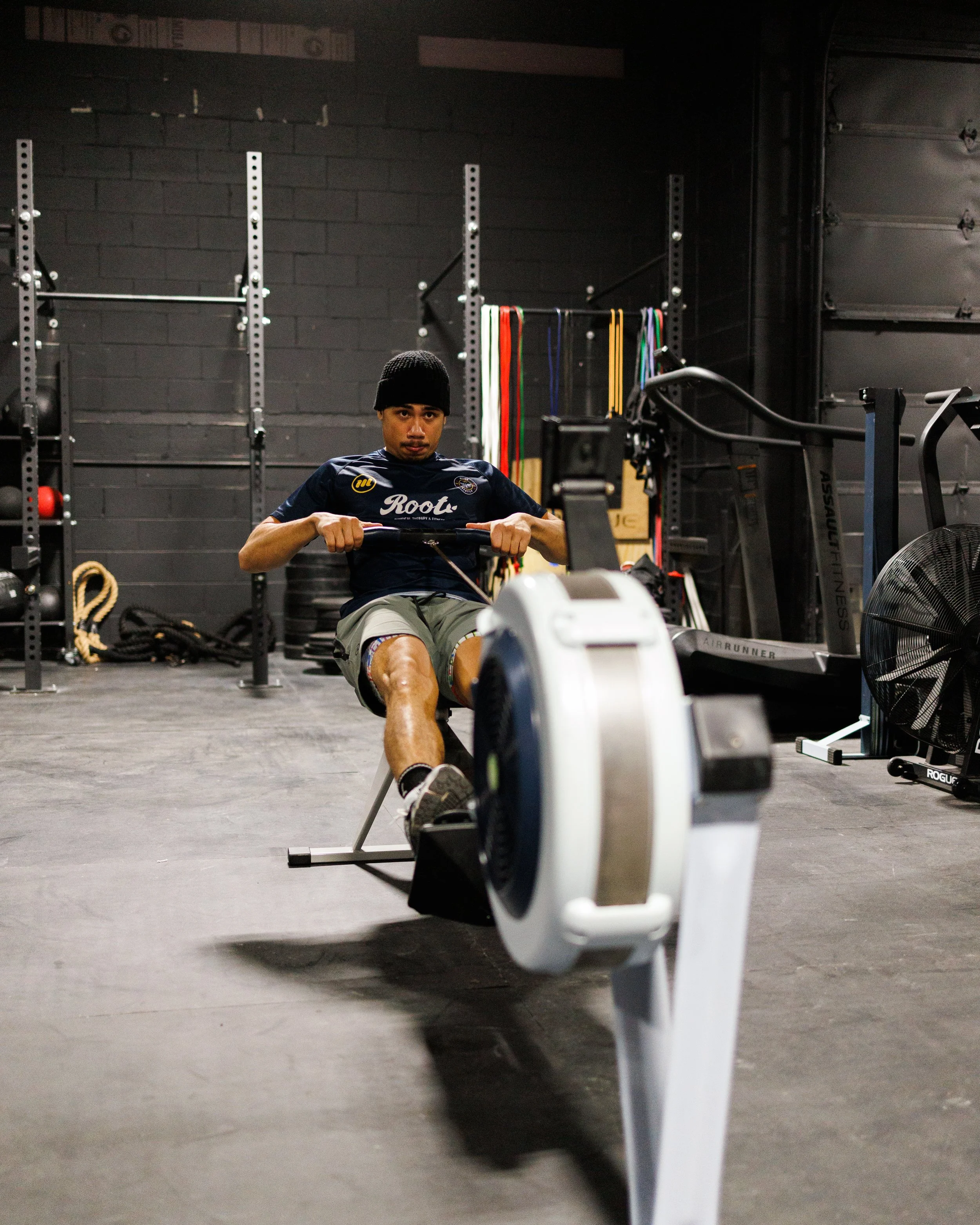
BOOK A PT CONSULTATION

Dr. Joe Rellora, PT, DPT is accepting new patients. Most insurance plans accepted.

Book a Physical Therapy Session
Read More
andy le andy le

Strength Training Over 50: What Changes and What Doesn't

Aging Athletes April 2026 7 min read

Strength Training Over 50: What Changes and What Doesn't

Strength training over 50 at Root Strength Georgetown Seattle

A lot of fitness content aimed at people over 50 is either condescending or just wrong. It either treats you like you're made of glass, or it ignores the real physiological differences that come with training at this stage of life and tells you to just push through.

This post is an honest take. What actually changes after 50, what the research says about strength training for older adults, and what you should look for in a gym in Seattle if you're serious about training well for the long haul.

What Actually Changes After 50

There are real physiological changes that happen with age that affect how you should train. Ignoring them doesn't make you tougher — it just increases your injury risk. Understanding them lets you train smarter.

Recovery takes longer

Not dramatically — but you'll notice that back-to-back hard sessions hit differently than they did at 35. Muscle protein synthesis slows slightly, connective tissue takes longer to adapt to new load, and your nervous system needs more time between peak efforts. This isn't weakness. It's biology. And it means programming needs to be more intentional about rest and recovery windows.

Body composition changes require more deliberate training

After 50, the hormonal environment shifts — lower testosterone in men, estrogen changes in women — and this affects body composition, energy, and the rate at which you build or maintain muscle. The research is clear that resistance training is the single most effective intervention for counteracting these changes. But the programming has to account for them, not pretend they don't exist.

Connective tissue needs more attention

Tendons and ligaments adapt more slowly than muscle at any age, but this gap widens after 50. Loading too fast — even when the muscle feels ready — can create tendon issues that take months to resolve. A good coach accounts for this with appropriate progression rates and movement quality standards.

The bottom line on what changes: Recovery, adaptation rate, and hormonal context. These are real. But none of them mean you can't build significant strength, improve body composition, and perform at a high level well into your 60s and beyond.

What Doesn't Change

Here's what remains completely true regardless of age:

Still works

  • Progressive overload
  • Compound movements (squat, hinge, push, pull, carry)
  • Consistency over intensity
  • Coaching and technique work
  • Community accountability
  • Adequate protein intake

Still true

  • You can build muscle at 50, 60, and beyond
  • Strength training reduces injury risk
  • Movement quality beats heavy load
  • Consistency beats heroic effort
  • Older athletes are often more coachable
  • The results follow sustained effort

And here's something that consistently surprises people new to strength training over 50 in Seattle: older athletes are often more coachable, more consistent, and more focused than younger ones. They've stopped trying to prove something and started trying to actually get better. The results follow.

The Biggest Risk for Older Athletes — and How to Manage It

The biggest risk for athletes over 50 isn't overtraining or lifting heavy. It's training without proper movement assessment, ignoring early warning signs, and not having access to recovery support when things start to feel off.

Most standard gyms in Seattle — even good ones — aren't equipped to handle this. You train, something starts to bother you, and you either push through it or stop entirely. Neither is the right answer.

At Root Strength, our on-site physical therapist Dr. Joe Rellora, PT, DPT works specifically with aging athletes. He coaches strength classes and provides PT in the same building. That means:

  • Small issues get caught before they become injuries
  • Your training program accounts for your movement history and limitations
  • When something flares up, you get guidance the same day — not three weeks from now
  • You don't have to stop training to get treatment

What Good Strength Training Over 50 Actually Looks Like

A well-designed program for an athlete over 50 in Seattle looks like this:

  • 3-4 sessions per week with appropriate recovery between hard efforts
  • Emphasis on movement quality before load — your squat pattern matters more than your squat weight
  • Compound movements as the foundation — squat, hinge, push, pull, carry — because these build the most functional strength with the lowest injury risk per hour of training
  • Conditioning work that supports cardiovascular health without crushing recovery capacity
  • A coach watching your movement — not because you can't figure it out yourself, but because an outside eye catches things you can't

This is exactly what Root Strength's weekly program is built around. Classes run 7 days a week across multiple time slots — early morning, noon, and evening — so fitting training into a professional schedule is straightforward.

Starting at Root Strength Over 50

The easiest entry point is the 2-week trial for $39.99. Come to several classes across the two weeks — try a morning MetCon, a noon Root Strength class, a Saturday Rise n Grind. Get a feel for how the coaching works and how your body responds.

If you have specific movement concerns, a history of significant injury, or haven't trained in years, book a PT consultation with Dr. Rellora before or alongside starting classes. Most insurance plans cover it. Getting a baseline assessment is one of the highest-value things you can do at the start of a new training program.

Root Strength is at 6332 6th Ave S, Georgetown, Seattle — easy access from SoDo, Beacon Hill, Columbia City, Rainier Valley, and most of South Seattle.

START YOUR 2-WEEK TRIAL

Full access to all classes. All levels welcome. No commitment required.

Claim Your 2-Week Trial — $39.99
Read More