If you train consistently and you're in your 30s, 40s, or 50s, you've probably dealt with at least one of these:
- A shoulder that gets irritated after too many pressing sessions
- A lower back that tightens up after deadlifts
- A knee that's been "mostly fine" for years but never fully right
- A nagging pain you keep training through because stopping feels worse than pushing forward
These aren't signs you're getting old. They're signs that training without the right support structure eventually catches up with you. And the traditional solution — stop training, get a referral, wait for a PT appointment across town, follow a generic protocol, restart — wastes weeks and often fails to address the real cause.
There's a better model. And it's available right now at a strength training gym in Georgetown, Seattle.
The Problem With Treating Training and Recovery as Separate Things
Most people treat the gym and physical therapy as two completely separate worlds. You train at your gym, and if something breaks down, you go see a physical therapist somewhere else — usually weeks after booking the appointment, often after the issue has gotten worse.
By the time you're in a PT's office, you've already lost training time. And the PT is working from a description of your problem, not firsthand observation of how you actually move under load. They give you a protocol built for a generic version of your injury — not for someone who squats, deadlifts, and does MetCon three times a week.
The result is a disconnect that leaves a lot of active people stuck in a cycle of training, breaking down, recovering, and starting over.
How a Gym With On-Site Physical Therapy Changes Everything
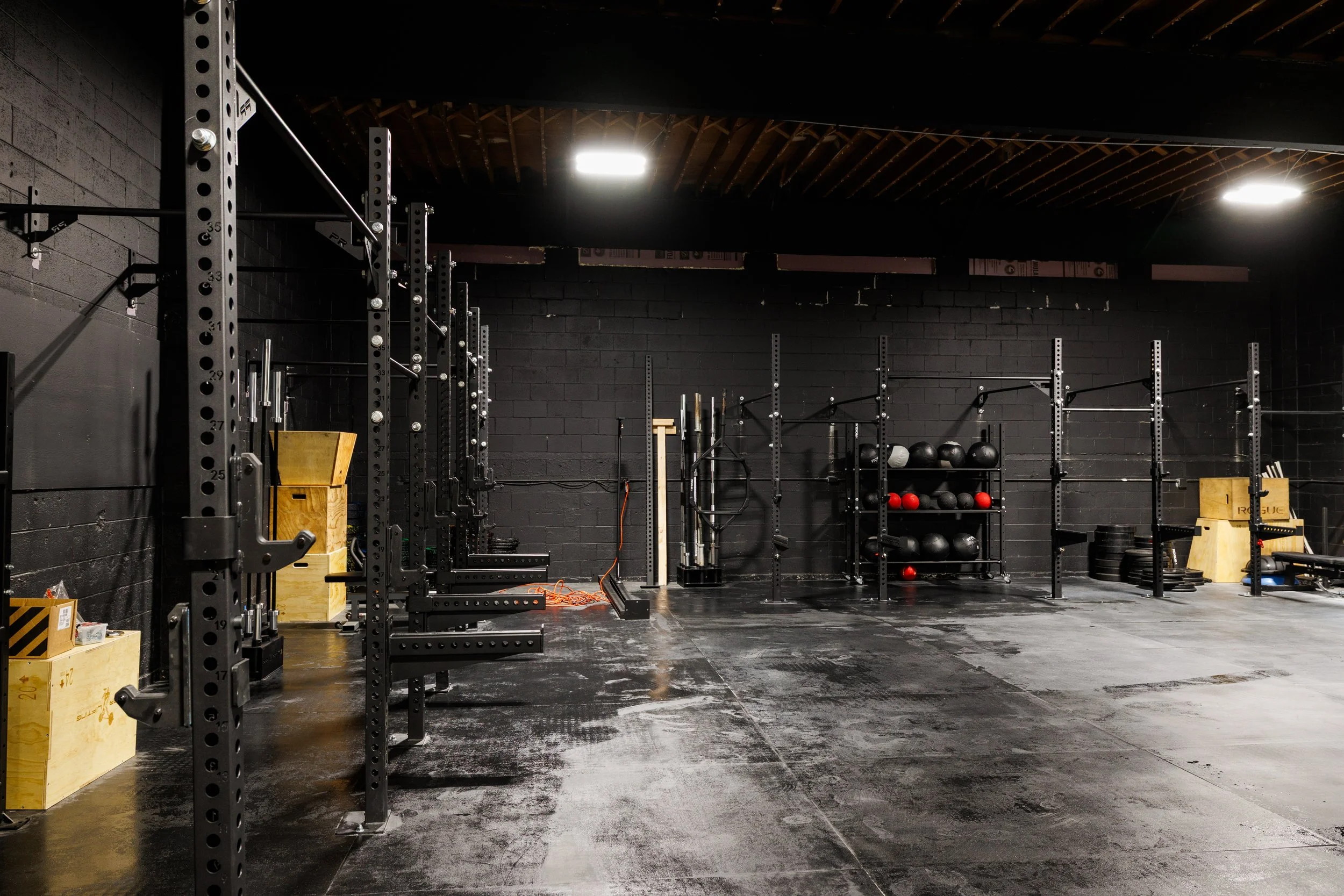
At Root Strength in Georgetown, Seattle, physical therapy and strength training happen under the same roof. Dr. Joe Rellora, PT, DPT coaches strength classes and provides on-site PT for members. That changes the entire dynamic:
- Your PT has actually watched you move. He knows what your squat looks like, where you compensate, and what load patterns stress your body. That context completely changes the quality of assessment and treatment.
- Problems get caught early. When your PT is in the building three days a week, small issues get flagged before they become injuries. You don't have to wait until you're in pain.
- You don't lose training momentum. Instead of stopping completely, your program gets modified. You keep showing up, keep building fitness, and address the issue in parallel — not sequentially.
- Your rehab is built around your training. Not a generic protocol for your diagnosis, but a specific plan built around the movements you actually do and the goals you actually have.
The key difference: At Root Strength, your physical therapist isn't guessing what your training looks like. He's watching it in real time — and adjusting your treatment and your program accordingly.
Insurance Accepted — Most Members Pay Little to Nothing
One of the most common reasons people delay physical therapy is cost. Root Strength accepts most major insurance plans for PT services:
Premera
In-networkRegence
In-networkBlue Cross Blue Shield
In-networkAetna
In-networkCash Pay
AvailableOther Plans
Contact usNot sure if your plan is covered? Reach out before your first appointment and we'll verify your benefits. No surprises, no out-of-pocket shock.
For Professionals, Time Is the Real Cost
If you're working full-time and fitting training in around a busy schedule, the last thing you can afford is the traditional PT model: referral, 2-3 week wait, driving across town for appointments, doing homework exercises on your own, coming back next week.
Root Strength cuts all of that out. Your PT is in the building where you already train. Your appointments happen before or after class. Your program accounts for your actual schedule. And your recovery doesn't require you to rebuild a separate routine from scratch.
For busy professionals in South Seattle, SoDo, Columbia City, Beacon Hill, or Georgetown who take their training seriously — this is the most efficient model available.
Who Is Root Strength Physical Therapy Best For?
The on-site PT program at Root Strength works best for:
- Active people managing chronic or recurring injuries who want to keep training
- Athletes returning to training after surgery or a significant injury
- People in their 40s and 50s who want proactive movement screening and injury prevention
- Anyone who's been told "just rest and see if it gets better" and is tired of that answer
- New Root Strength members with a significant injury history who want a safe on-ramp