andy le andy le

Best Gym in Georgetown Seattle: What to Look For Before You Join

Local GuideApril 20266 min read

Best Gym in Georgetown Seattle: What to Look For Before You Join

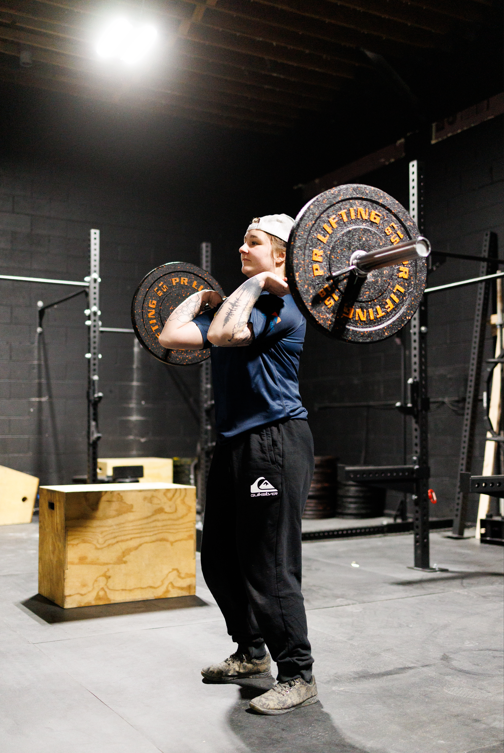
Best gym in Georgetown Seattle - Root Strength coaching team

If you live or work in Georgetown, Seattle and you're looking for a gym, you've probably noticed that your options range from big-box chains with no coaching to boutique studios with limited schedules and high price tags. Neither extreme tends to work well for people who want to actually get stronger and stay consistent.

This guide — written by our team of Doctors of Physical Therapy and coaches at Root Strength — breaks down exactly what to look for when choosing a gym in Georgetown or the surrounding South Seattle neighborhoods. Not what gyms want you to look for. What actually determines whether you'll get results and stay healthy doing it.

The 6 Things That Actually Matter When Choosing a Gym

Coaching quality — not just equipment

Equipment doesn't make you stronger. Coaching does. A gym with great equipment and no instruction is just an expensive place to develop bad habits. Look for a gym where a real coach watches your movement every session and gives real-time feedback.

Recovery support on-site

The best gyms in Seattle don't just help you train — they help you stay healthy doing it. Access to on-site physical therapy means small issues get addressed before they become injuries that sideline you for months.

A schedule that actually fits your life

A gym with three class times per week isn't going to build consistency. Look for 20+ classes per week across morning, noon, and evening slots — so missing one class doesn't derail your whole week.

Transparent, fair pricing

Enrollment fees, cancellation fees, and long-term contracts are red flags. A gym that's confident in its product offers month-to-month membership with no financial traps.

Space and amenities that support your training

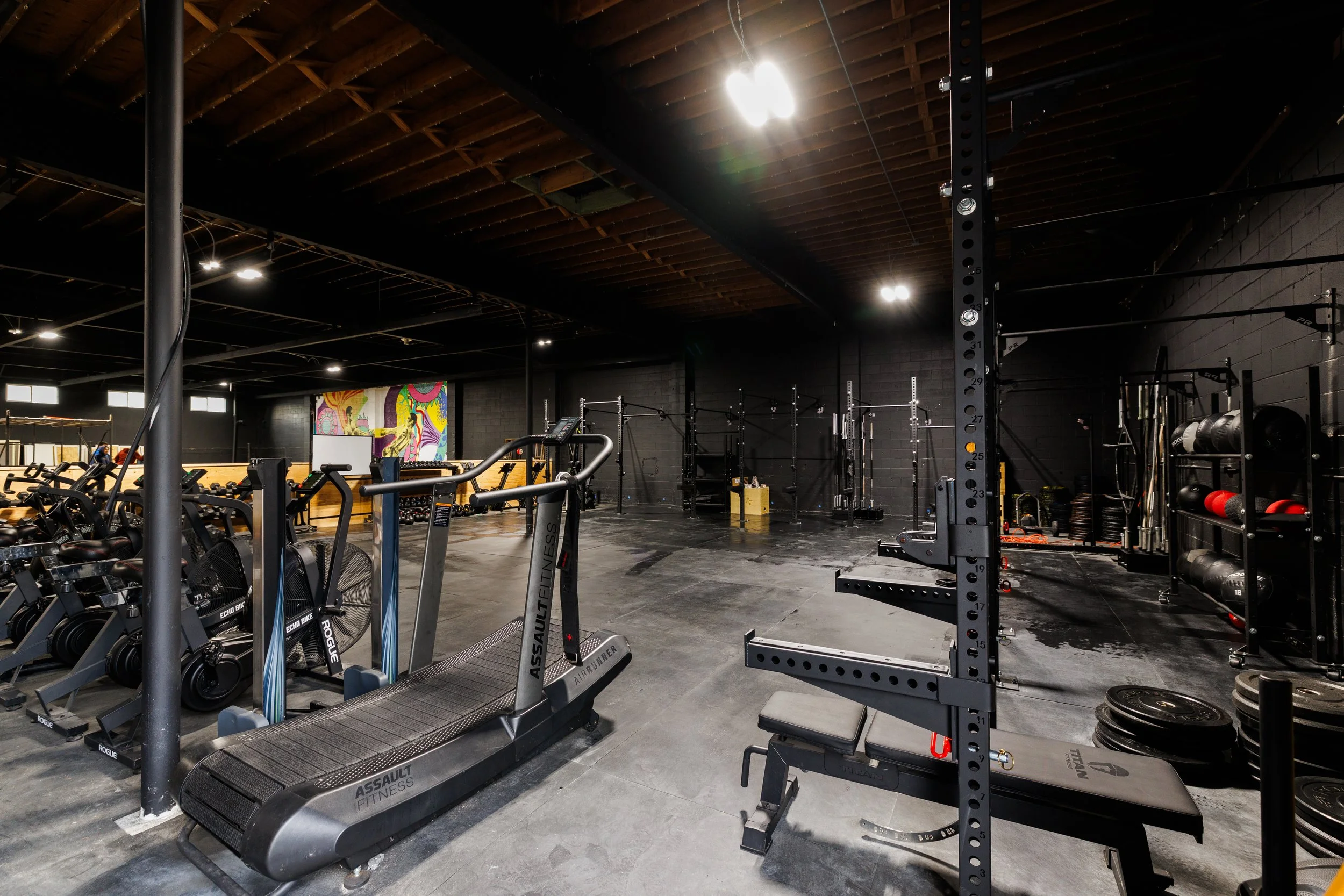
Cramped gyms with limited equipment create bottlenecks. Look for enough floor space, barbells, and racks that you're not waiting for equipment during busy hours. Showers and lockers matter too if you're training around work.

A community that keeps you coming back

The research on long-term fitness adherence is consistent: social accountability is one of the strongest predictors of consistency. A gym where people know each other's names and show up for each other is worth more than any piece of equipment.

What Makes Root Strength the Best Gym in Georgetown Seattle

Root Strength is located at 6332 6th Ave S, Georgetown, Seattle — 0.5 miles off I-5 with free street parking. Here's how it measures up against those six criteria:

  • Coaching: Every class includes a coach watching your movement, giving real-time cues, and scaling workouts to your level. Not a personal trainer watching from across the room — an active coach in the class with you.
  • Recovery support: On-site physical therapy led by our team of Doctors of Physical Therapy. Insurance accepted. PT and coaching in the same building.
  • Schedule: 28 strength classes per week across seven days — 6AM through 6PM. Morning, noon, and evening options every weekday.
  • Pricing: Month-to-month memberships starting at $170. No enrollment fees, no cancellation fees, no contracts. 2-week trial for $39.99.
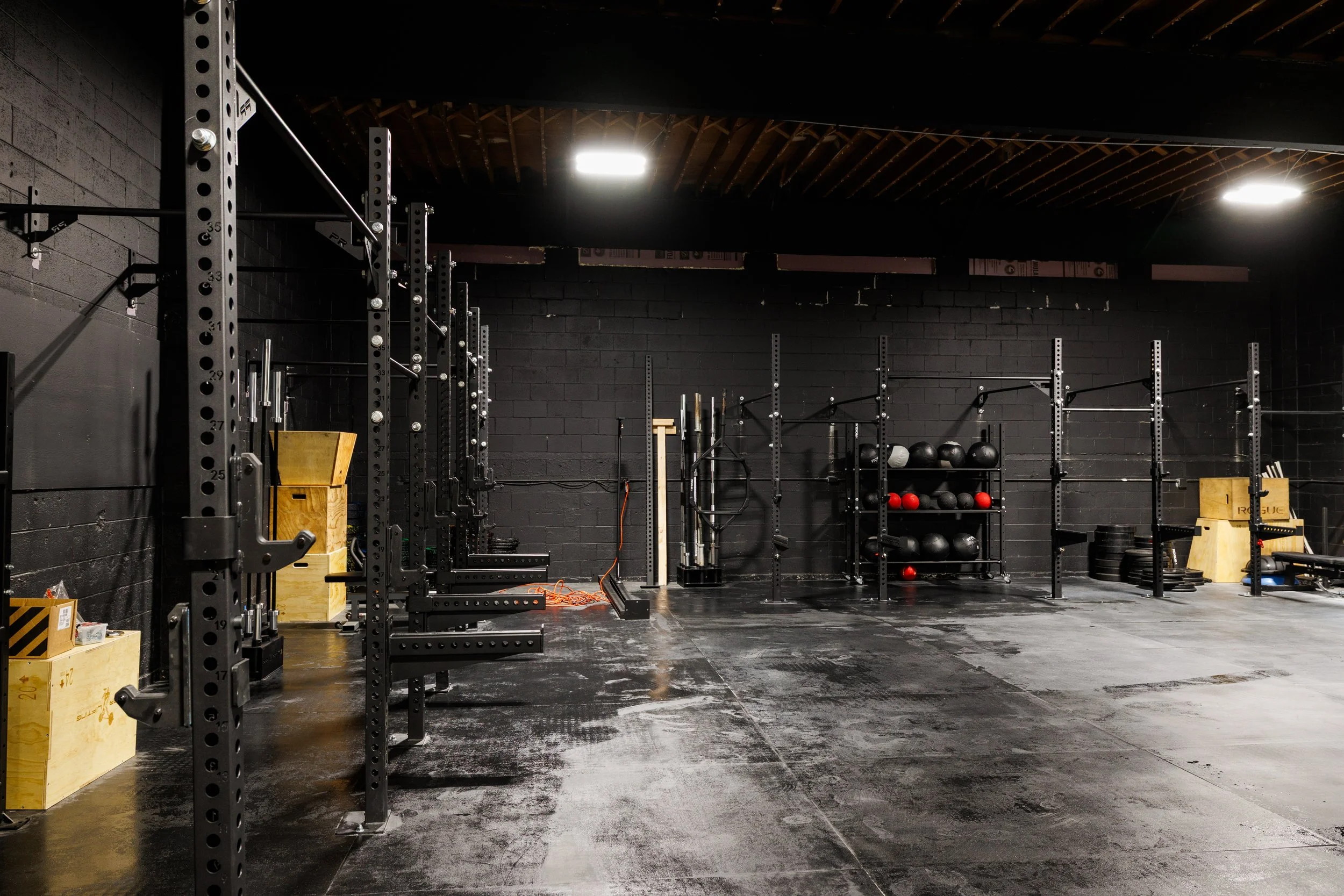
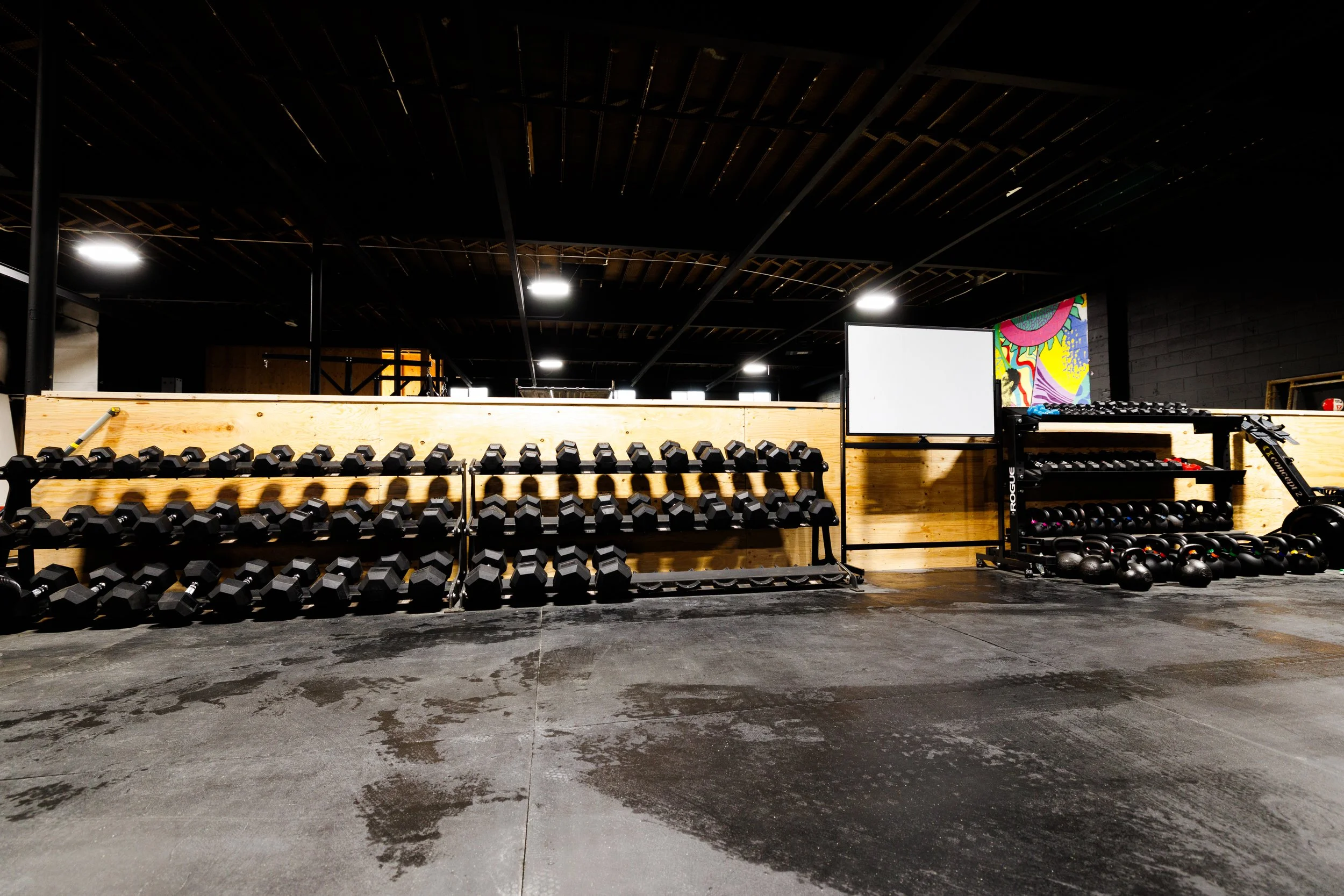
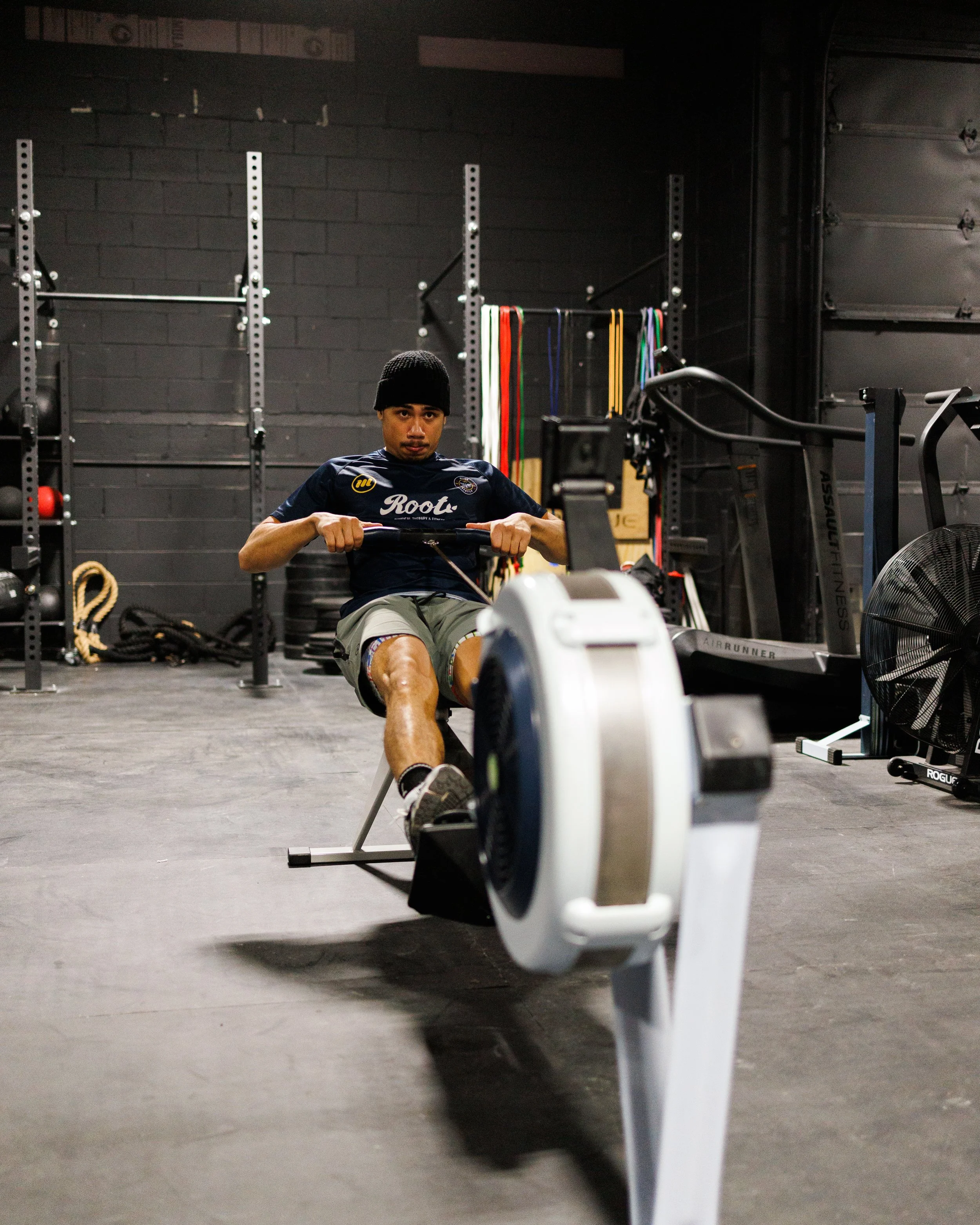
  • Space: 9,000 square feet of training floor with barbells, racks, rowers, Assault bikes, and open gym access Monday through Friday.
  • Community: Georgetown-built, independently owned, and operated by coaches who train alongside their members.

From our PT team: The most common reason people stop going to the gym isn't motivation. It's injury, poor programming, or feeling like they don't belong. The right gym prevents all three of those things before they become problems.

Neighborhoods Root Strength Serves

Root Strength in Georgetown is easily accessible from SoDo, Columbia City, Beacon Hill, Rainier Valley, South Seattle, SODO, and West Seattle. Free street parking makes it practical for members commuting from across the city.
TRY ROOT STRENGTH FOR 2 WEEKS

Full access to all classes. No commitment, no enrollment fees.

Start Your 2-Week Trial — $39.99
Read More
andy le andy le

Coming Back to Training After Injury: What Most People Get Wrong

Injury Recovery April 2026 6 min read

Coming Back to Training After Injury: What Most People Get Wrong

Physical therapy and injury recovery at Root Strength Georgetown Seattle

Most people who return to training after an injury make one of two mistakes. They come back too fast and reinjure themselves within weeks. Or they come back so cautiously that they lose months of fitness and develop a subtle fear of movement that's hard to shake.

Both are understandable. Neither is inevitable.

The difference usually comes down to one thing: whether the return to training is supervised and progressive, or whether it's a guess.

The Gap Nobody Talks About

Standard physical therapy in Seattle — like most places — ends when you're pain-free. Your PT discharges you with some home exercises and a clearance note. You're "good to go."

But pain-free and ready to train are not the same thing.

Between "cleared by PT" and "back to full training capacity" there's a gap — usually 4 to 12 weeks — where movement compensations are still present, tissue strength hasn't fully caught up to pre-injury levels, and neuromuscular patterns are still being re-established. This is the window where most reinjuries happen.

And it's a window that most gyms and most PT clinics in Seattle aren't set up to bridge. The PT has discharged you. The gym doesn't know your history. You're on your own figuring out what you can handle.

The missing piece: A supervised transition where your PT and your coaches are working together — watching you move under load in a real training environment, not just in a clinical setting.

How Root Strength Bridges the Gap

At Root Strength in Georgetown, Seattle, the physical therapist and the strength coaches are in the same building. Dr. Joe Rellora, PT, DPT coaches strength classes and provides on-site physical therapy for members. This setup makes the return-to-training process fundamentally different:

1

PT assessment and baseline

You start with an assessment that looks at your injury history, current movement quality, and what your training goals actually are. Not a generic intake form — a conversation about where you're at and what you're working toward.

2

Parallel rehab and modified training

You don't stop training while you're in rehab. You train with modifications that protect the injured area while keeping the rest of your fitness moving forward. Dr. Rellora monitors your progress in both contexts simultaneously.

3

Supervised progressive reloading

As the injury resolves, load is reintroduced progressively and deliberately. The coaches know your history. The modifications are removed one at a time, not all at once.

4

Full return to training

You get back to training at full capacity — not just pain-free, but with movement patterns that are actually better than before. Most members who go through this process say the injury forced them to fix problems they'd been ignoring for years.

Common Injuries We See at Root Strength Seattle

Dr. Rellora works with members returning from a wide range of injuries. The most common include:

  • Lower back pain and disc injuries — including post-surgical returns and chronic management
  • Knee injuries — ACL reconstructions, meniscus issues, patellofemoral pain
  • Shoulder injuries — rotator cuff repairs, labrum issues, impingement
  • Hip pain and labral tears — especially common in active people over 40
  • Ankle sprains — returning to loading and single-leg work safely
  • Post-surgical rehabilitation of any kind where return to strength training is the goal

Insurance is accepted for physical therapy services — Premera, Regence, Blue Cross Blue Shield, Aetna, and cash pay. Most members pay little to nothing out of pocket.

What Returning Members Say

The pattern we hear most often from members who've returned from injury at Root Strength is some version of: "I came back stronger than before." Not because the injury itself made them stronger — but because the process of supervised, deliberate rehabilitation forced them to address movement issues that had been quietly building for years before the injury happened.

A knee injury that forces you to rebuild hip stability. A shoulder issue that forces you to fix the scapular mechanics you'd been ignoring. A back injury that finally gets you to address the hip mobility you never had. The injury is the problem. The rehab is the opportunity.

How to Get Started

If you're currently recovering from an injury and looking for a physical therapy and strength training facility in Seattle that can handle both sides of your return, reach out directly.

Book a PT consultation with Dr. Rellora. He'll assess where you are, what your goals are, and build a plan that gets you back to training safely and completely. If you're also interested in joining Root Strength classes, the 2-week trial runs at the same time — you can do both simultaneously.

Root Strength is located at 6332 6th Ave S Unit A, Georgetown, Seattle — accessible from SoDo, Columbia City, Beacon Hill, and all of South Seattle with free street parking.

BOOK A PT CONSULTATION

Dr. Joe Rellora, PT, DPT is accepting new patients. Most insurance plans accepted.

Book a Physical Therapy Session
Read More
andy le andy le

Strength Training Over 50: What Changes and What Doesn't

Aging Athletes April 2026 7 min read

Strength Training Over 50: What Changes and What Doesn't

Strength training over 50 at Root Strength Georgetown Seattle

A lot of fitness content aimed at people over 50 is either condescending or just wrong. It either treats you like you're made of glass, or it ignores the real physiological differences that come with training at this stage of life and tells you to just push through.

This post is an honest take. What actually changes after 50, what the research says about strength training for older adults, and what you should look for in a gym in Seattle if you're serious about training well for the long haul.

What Actually Changes After 50

There are real physiological changes that happen with age that affect how you should train. Ignoring them doesn't make you tougher — it just increases your injury risk. Understanding them lets you train smarter.

Recovery takes longer

Not dramatically — but you'll notice that back-to-back hard sessions hit differently than they did at 35. Muscle protein synthesis slows slightly, connective tissue takes longer to adapt to new load, and your nervous system needs more time between peak efforts. This isn't weakness. It's biology. And it means programming needs to be more intentional about rest and recovery windows.

Body composition changes require more deliberate training

After 50, the hormonal environment shifts — lower testosterone in men, estrogen changes in women — and this affects body composition, energy, and the rate at which you build or maintain muscle. The research is clear that resistance training is the single most effective intervention for counteracting these changes. But the programming has to account for them, not pretend they don't exist.

Connective tissue needs more attention

Tendons and ligaments adapt more slowly than muscle at any age, but this gap widens after 50. Loading too fast — even when the muscle feels ready — can create tendon issues that take months to resolve. A good coach accounts for this with appropriate progression rates and movement quality standards.

The bottom line on what changes: Recovery, adaptation rate, and hormonal context. These are real. But none of them mean you can't build significant strength, improve body composition, and perform at a high level well into your 60s and beyond.

What Doesn't Change

Here's what remains completely true regardless of age:

Still works

  • Progressive overload
  • Compound movements (squat, hinge, push, pull, carry)
  • Consistency over intensity
  • Coaching and technique work
  • Community accountability
  • Adequate protein intake

Still true

  • You can build muscle at 50, 60, and beyond
  • Strength training reduces injury risk
  • Movement quality beats heavy load
  • Consistency beats heroic effort
  • Older athletes are often more coachable
  • The results follow sustained effort

And here's something that consistently surprises people new to strength training over 50 in Seattle: older athletes are often more coachable, more consistent, and more focused than younger ones. They've stopped trying to prove something and started trying to actually get better. The results follow.

The Biggest Risk for Older Athletes — and How to Manage It

The biggest risk for athletes over 50 isn't overtraining or lifting heavy. It's training without proper movement assessment, ignoring early warning signs, and not having access to recovery support when things start to feel off.

Most standard gyms in Seattle — even good ones — aren't equipped to handle this. You train, something starts to bother you, and you either push through it or stop entirely. Neither is the right answer.

At Root Strength, our on-site physical therapist Dr. Joe Rellora, PT, DPT works specifically with aging athletes. He coaches strength classes and provides PT in the same building. That means:

  • Small issues get caught before they become injuries
  • Your training program accounts for your movement history and limitations
  • When something flares up, you get guidance the same day — not three weeks from now
  • You don't have to stop training to get treatment

What Good Strength Training Over 50 Actually Looks Like

A well-designed program for an athlete over 50 in Seattle looks like this:

  • 3-4 sessions per week with appropriate recovery between hard efforts
  • Emphasis on movement quality before load — your squat pattern matters more than your squat weight
  • Compound movements as the foundation — squat, hinge, push, pull, carry — because these build the most functional strength with the lowest injury risk per hour of training
  • Conditioning work that supports cardiovascular health without crushing recovery capacity
  • A coach watching your movement — not because you can't figure it out yourself, but because an outside eye catches things you can't

This is exactly what Root Strength's weekly program is built around. Classes run 7 days a week across multiple time slots — early morning, noon, and evening — so fitting training into a professional schedule is straightforward.

Starting at Root Strength Over 50

The easiest entry point is the 2-week trial for $39.99. Come to several classes across the two weeks — try a morning MetCon, a noon Root Strength class, a Saturday Rise n Grind. Get a feel for how the coaching works and how your body responds.

If you have specific movement concerns, a history of significant injury, or haven't trained in years, book a PT consultation with Dr. Rellora before or alongside starting classes. Most insurance plans cover it. Getting a baseline assessment is one of the highest-value things you can do at the start of a new training program.

Root Strength is at 6332 6th Ave S, Georgetown, Seattle — easy access from SoDo, Beacon Hill, Columbia City, Rainier Valley, and most of South Seattle.

START YOUR 2-WEEK TRIAL

Full access to all classes. All levels welcome. No commitment required.

Claim Your 2-Week Trial — $39.99
Read More
andy le andy le

Why Busy Professionals Are Choosing Gyms With Physical Therapy On-Site

Recovery April 2026 6 min read

Why Busy Professionals Are Choosing Gyms With Physical Therapy On-Site

Strength training and physical therapy at Root Strength Seattle Georgetown

If you train consistently and you're in your 30s, 40s, or 50s, you've probably dealt with at least one of these:

  • A shoulder that gets irritated after too many pressing sessions
  • A lower back that tightens up after deadlifts
  • A knee that's been "mostly fine" for years but never fully right
  • A nagging pain you keep training through because stopping feels worse than pushing forward

These aren't signs you're getting old. They're signs that training without the right support structure eventually catches up with you. And the traditional solution — stop training, get a referral, wait for a PT appointment across town, follow a generic protocol, restart — wastes weeks and often fails to address the real cause.

There's a better model. And it's available right now at a strength training gym in Georgetown, Seattle.

The Problem With Treating Training and Recovery as Separate Things

Most people treat the gym and physical therapy as two completely separate worlds. You train at your gym, and if something breaks down, you go see a physical therapist somewhere else — usually weeks after booking the appointment, often after the issue has gotten worse.

By the time you're in a PT's office, you've already lost training time. And the PT is working from a description of your problem, not firsthand observation of how you actually move under load. They give you a protocol built for a generic version of your injury — not for someone who squats, deadlifts, and does MetCon three times a week.

The result is a disconnect that leaves a lot of active people stuck in a cycle of training, breaking down, recovering, and starting over.

How a Gym With On-Site Physical Therapy Changes Everything

At Root Strength in Georgetown, Seattle, physical therapy and strength training happen under the same roof. Dr. Joe Rellora, PT, DPT coaches strength classes and provides on-site PT for members. That changes the entire dynamic:

  • Your PT has actually watched you move. He knows what your squat looks like, where you compensate, and what load patterns stress your body. That context completely changes the quality of assessment and treatment.
  • Problems get caught early. When your PT is in the building three days a week, small issues get flagged before they become injuries. You don't have to wait until you're in pain.
  • You don't lose training momentum. Instead of stopping completely, your program gets modified. You keep showing up, keep building fitness, and address the issue in parallel — not sequentially.
  • Your rehab is built around your training. Not a generic protocol for your diagnosis, but a specific plan built around the movements you actually do and the goals you actually have.

The key difference: At Root Strength, your physical therapist isn't guessing what your training looks like. He's watching it in real time — and adjusting your treatment and your program accordingly.

Insurance Accepted — Most Members Pay Little to Nothing

One of the most common reasons people delay physical therapy is cost. Root Strength accepts most major insurance plans for PT services:

Premera

In-network

Regence

In-network

Blue Cross Blue Shield

In-network

Aetna

In-network

Cash Pay

Available

Other Plans

Contact us

Not sure if your plan is covered? Reach out before your first appointment and we'll verify your benefits. No surprises, no out-of-pocket shock.

For Professionals, Time Is the Real Cost

If you're working full-time and fitting training in around a busy schedule, the last thing you can afford is the traditional PT model: referral, 2-3 week wait, driving across town for appointments, doing homework exercises on your own, coming back next week.

Root Strength cuts all of that out. Your PT is in the building where you already train. Your appointments happen before or after class. Your program accounts for your actual schedule. And your recovery doesn't require you to rebuild a separate routine from scratch.

For busy professionals in South Seattle, SoDo, Columbia City, Beacon Hill, or Georgetown who take their training seriously — this is the most efficient model available.

Who Is Root Strength Physical Therapy Best For?

The on-site PT program at Root Strength works best for:

  • Active people managing chronic or recurring injuries who want to keep training
  • Athletes returning to training after surgery or a significant injury
  • People in their 40s and 50s who want proactive movement screening and injury prevention
  • Anyone who's been told "just rest and see if it gets better" and is tired of that answer
  • New Root Strength members with a significant injury history who want a safe on-ramp

BOOK A PT SESSION AT ROOT STRENGTH

Dr. Joe Rellora is accepting new patients. Most insurance plans accepted.

Book a Physical Therapy Session
Read More
andy le andy le

I Haven't Worked Out in Years. Can I Still Join Root Strength?

Beginners April 2026 5 min read

I Haven't Worked Out in Years. Can I Still Join Root Strength?

Beginner strength training class at Root Strength Seattle Georgetown

If you've been away from the gym for a while — or maybe you've never really had a consistent training routine — the idea of walking into a strength training class in Seattle can feel intimidating. You picture people who clearly know what they're doing, weights that seem impossibly heavy, and coaches who don't have time for questions.

That's not what you'll find at Root Strength.

We built this gym specifically for the person who is starting from scratch, returning after years away, or finally ready to make training a consistent part of life. Every class at Root Strength is designed to scale to your level — and that's not just a tagline.

What "All Levels Welcome" Actually Means at Root Strength

A lot of gyms in Seattle say "all levels welcome." What they often mean is: beginners are tolerated alongside the advanced athletes and expected to keep up. At Root Strength, it means something different.

Our coaches actively watch for newer members in every class. Before any movement is loaded with weight, you'll get a clear demonstration and a chance to practice the mechanics. If a movement isn't right for your body yet — an old knee injury, limited hip mobility, a shoulder that doesn't like overhead work — you'll get a modification that works for you.

You won't be handed a barbell and left to figure it out on your own. That's not how we run classes, and it's not how people get results safely.

What to Expect in Your First Week at a Seattle Strength Gym

Here's what a typical first week looks like for a new Root Strength member:

  • Class 1: You'll arrive, meet your coach, and do a lot of watching and learning. The weight will feel light — that's intentional. We're building patterns before load.
  • Class 2-3: Movements start to feel more familiar. Your coach gives you specific cues to clean up form. You might be surprised by how much you can do.
  • End of week 1: Most new members feel sore in places they forgot existed, and genuinely excited to come back.

Root Strength tip: Don't try to keep up with the person next to you in your first week. Focus on understanding the movement, not the weight. The strength comes fast once the mechanics are dialed in.

The Advantage of Coached Group Training Over a Standard Gym

One of the biggest reasons people fail at standard big-box gyms in Seattle is that there's no instruction. You show up, wander around the equipment floor, and either do the same three machines you're comfortable with or spend 20 minutes on YouTube trying to remember how to deadlift.

At Root Strength, every class includes real coaching. A coach watches your movement, corrects your form, pushes you when you need to be pushed, and backs you off when you don't. That's the difference between a year of spinning your wheels and actually getting stronger.

And for people who are just starting out with strength training in Seattle, that coaching is worth more than almost anything else you could do in a gym.

What If You Have an Old Injury?

This is where Root Strength is genuinely different from every other gym in the Georgetown area — and most gyms in Seattle.

We have an on-site physical therapist — Dr. Joe Rellora, PT, DPT — who coaches strength classes and provides physical therapy in the same building. If you have an old knee issue, a back that gets tight under load, or a shoulder that's never been quite right since a surgery years ago, you don't have to choose between training and getting treatment.

Most major insurance plans are accepted, including Premera, Regence, Blue Cross Blue Shield, and Aetna. Many members pay little to nothing out of pocket for PT sessions.

How to Get Started at Root Strength Seattle

The easiest way to find out if Root Strength is for you is the 2-week trial for $39.99. Full access to all 28 weekly strength classes for two weeks, no long-term commitment, no enrollment fees.

Come to a few classes, see how your body responds, meet the coaches, and decide from there. Most people know by the end of week one whether this is their gym.

If you're in the Georgetown area, near SoDo, Columbia City, Beacon Hill, or anywhere in South Seattle, Root Strength is at 6332 6th Ave S, Unit A — 0.5 miles off I-5 with free street parking.

READY TO GET STARTED?

2-week trial — full access to all classes, no commitment required.

Claim Your 2-Week Trial — $39.99
Read More