

The Sauna at Root Strength — What It Actually Does for Your Training
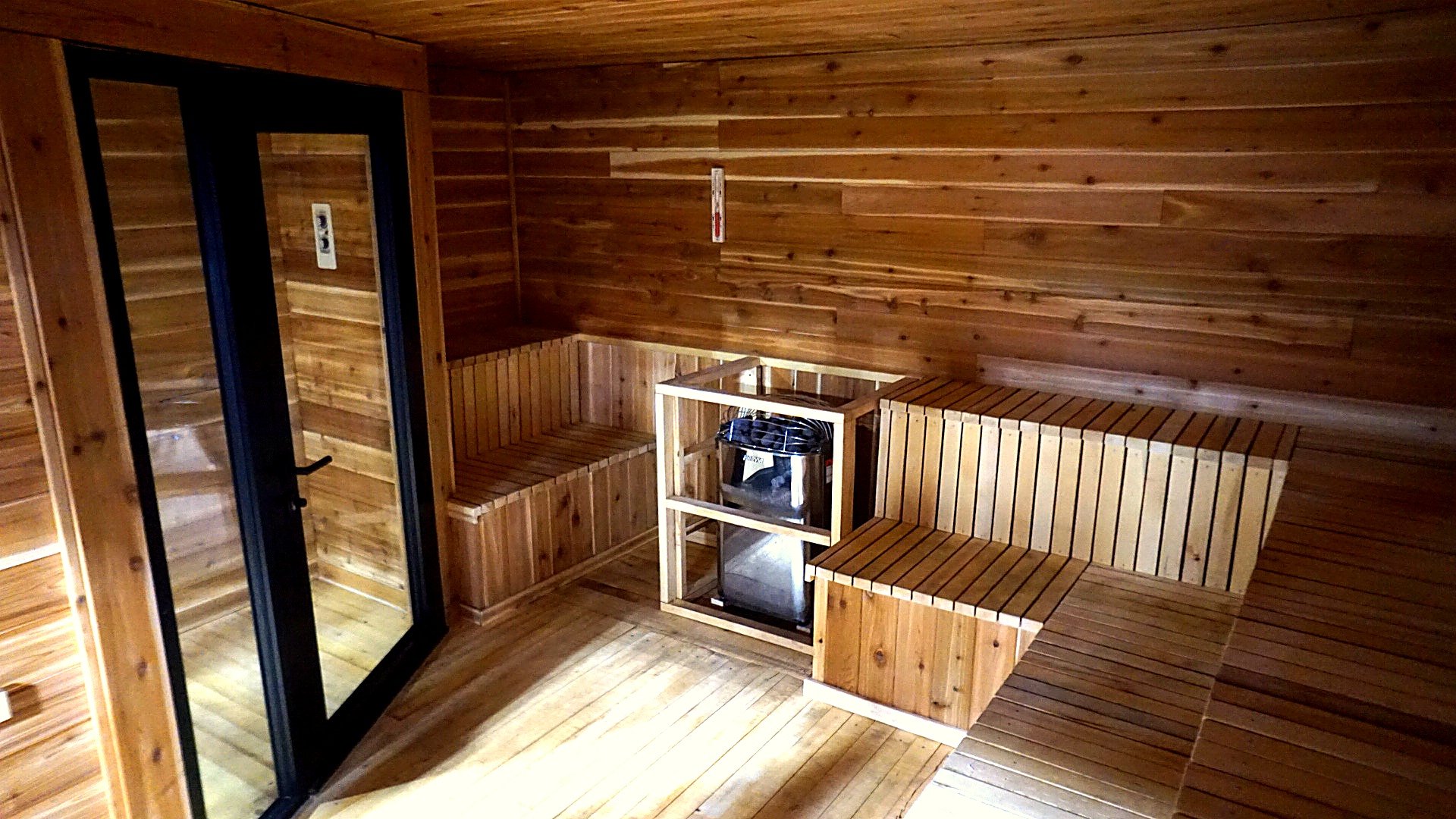
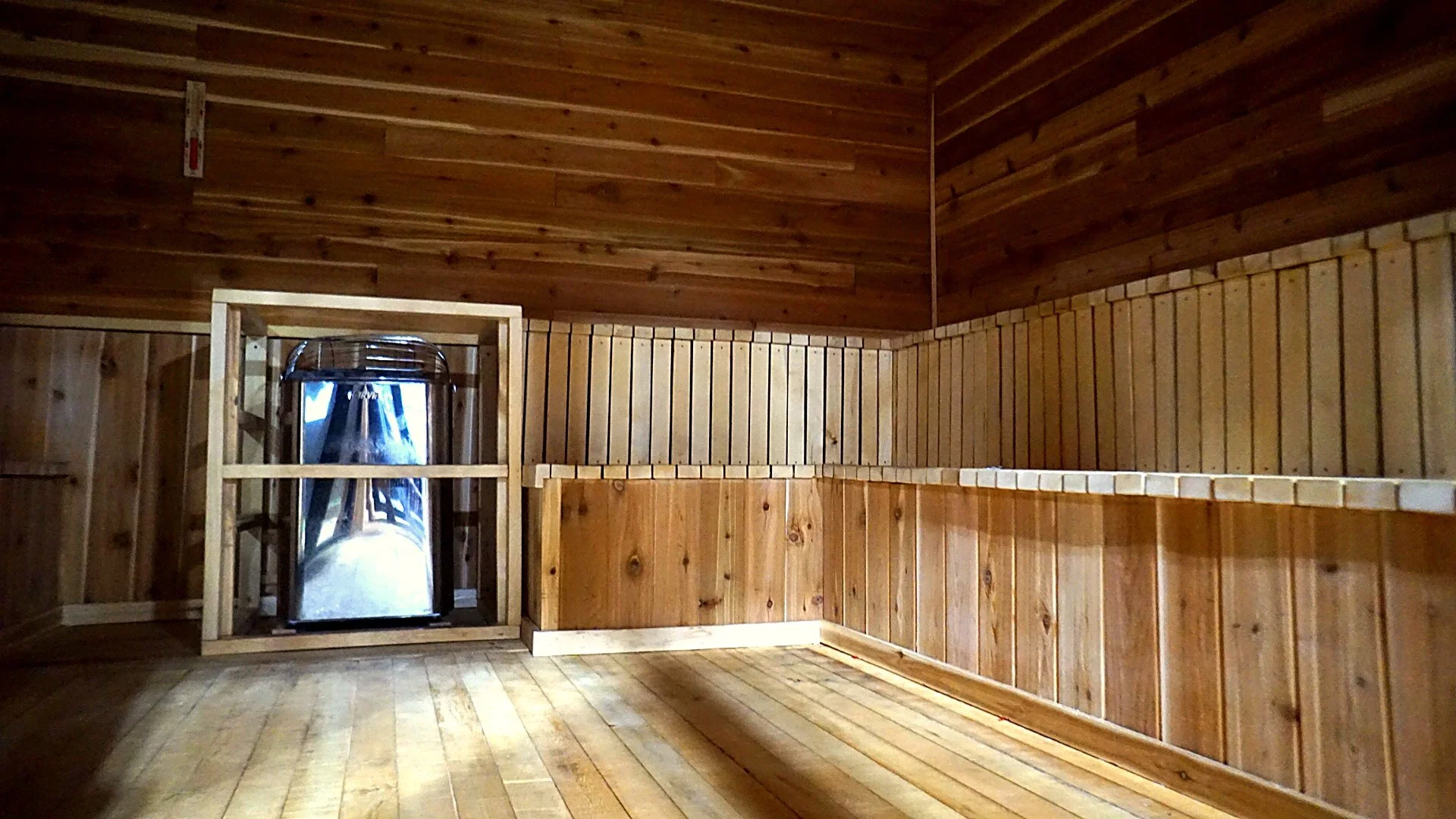
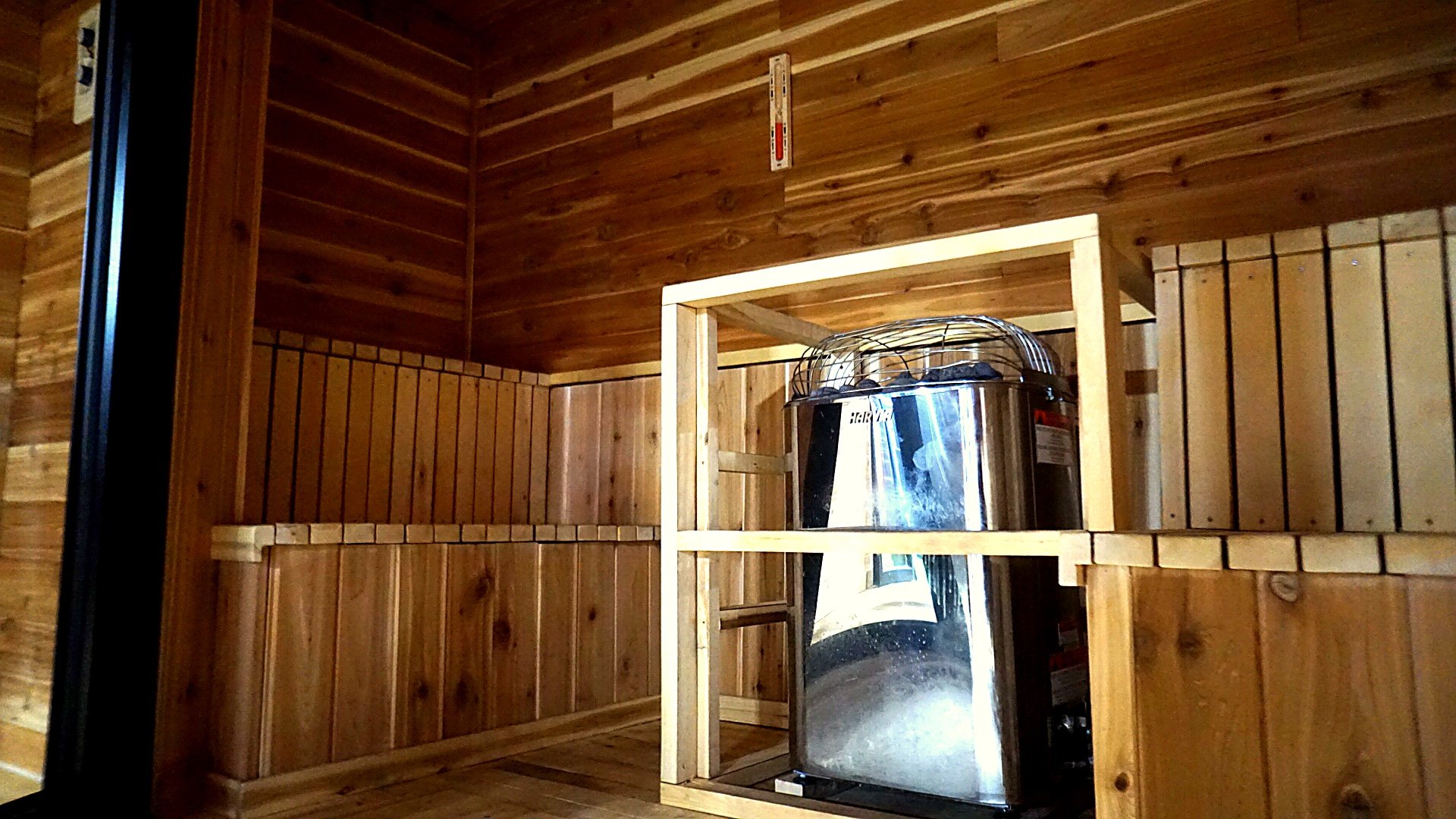
When we designed the Root Strength facility in Georgetown, the sauna wasn't an afterthought — it was part of the plan from the beginning. A custom-built, 12-person Finnish-style sauna, integrated into the gym, accessible to every member after every session. Not a single-person infrared pod in the corner. Not a steam room. A proper sauna that fits a training community.
The reason is the research. Over the past decade, the evidence on sauna use for athletic recovery, cardiovascular health, and long-term mortality risk has moved from "promising" to "substantial." The landmark Finnish cohort studies, published in JAMA Internal Medicine, followed over 2,300 adults for more than 20 years and found dose-dependent reductions in cardiovascular and all-cause mortality with regular sauna use. More recently, a 2025 systematic review in Sports Medicine — Open examined the effects of post-exercise heat exposure on recovery and training-induced performance adaptations across randomized controlled trials. The evidence is strong enough that sauna is no longer a wellness perk — it's a legitimate training tool.
Here's what it does, how to use it, and who should be cautious.
What the Sauna Actually Does — The Four Evidence-Based Benefits
1. Post-training recovery
The most immediate benefit for gym members. Sauna bathing after training produces measurable improvements in recovery markers — reduced muscle soreness, improved neuromuscular performance in subsequent sessions, and subjective recovery ratings. The 2025 systematic review in Sports Medicine — Open confirmed that post-exercise heat exposure improves both subjective recovery and objective performance markers, with benefits observed after both endurance and resistance training. The mechanism involves increased blood flow to recovering tissue, enhanced clearance of metabolic byproducts, and — notably — the stimulation of heat shock proteins, which play a role in cellular repair and muscle protein synthesis.
For our members who train 3–5 times per week, the practical takeaway is straightforward: 15–20 minutes of sauna after your training session accelerates the recovery process between sessions. You go in sore, you come out less sore, and you show up to your next session in better shape to train hard.
2. Cardiovascular conditioning
Sauna bathing produces cardiovascular responses similar to moderate-intensity exercise. Heart rate increases to 100–150 bpm during a typical session, cardiac output increases, and blood vessels dilate. Repeated exposure produces adaptations: improved endothelial function (how well your blood vessels dilate and constrict), reduced resting blood pressure, and improved cardiac efficiency. The Finnish cohort data showed that individuals with high cardiovascular fitness who used the sauna 3–7 times per week experienced a 69% lower risk of sudden cardiac death compared to those with low fitness and infrequent sauna use. The two — fitness and heat exposure — compound each other.
For our members, this means the sauna isn't just recovering you from today's session — it's contributing to the cardiovascular base that supports everything else you do in the gym.
3. Long-term health and longevity
The Laukkanen cohort studies are the most cited body of evidence here, and the findings are remarkable in their consistency and magnitude. Published in JAMA Internal Medicine with a 20+ year follow-up of 2,315 middle-aged men in Finland, the data showed a clear dose-response relationship between sauna frequency and mortality risk. Compared to those who used the sauna once per week, those who used it 4–7 times per week had a 63% lower risk of sudden cardiac death, a 50% lower risk of fatal cardiovascular disease, and a 40% lower risk of death from any cause. Subsequent studies from the same research group extended these findings to stroke risk, hypertension, and dementia.
The Mayo Clinic's 2023 review of the evidence concluded that the combination of sauna bathing with other lifestyle factors — particularly exercise — confers additional health benefits beyond either alone. For members who are already training consistently, adding regular sauna use extends the health benefits of the work they are already doing.
4. Mental health and stress reduction
Sauna bathing triggers a robust endorphin response — the same class of neurochemicals released during exercise. Research has associated regular sauna use with reduced risk of psychotic disorders and improved subjective well-being. The practical version: members who use the sauna after training consistently report sleeping better, feeling less stressed, and recovering mentally from the day — not just physically from the workout. In a community like ours, the sauna also functions as a social space — 15 minutes of decompression with training partners after a hard session is a different kind of recovery than sitting in your car.
The sauna isn't a luxury feature. It's a training tool with a deeper evidence base than most supplements, recovery gadgets, or wellness trends on the market. The difference is that the evidence comes from 20+ year cohort studies published in JAMA — not from influencer testimonials.
How to Use the Sauna Around Your Training
The research supports specific protocols — not just "sit in the sauna until you feel like getting out." Here's what we recommend for our members based on the current evidence.
- Enter the sauna within 30 minutes of finishing your training session — the sooner the better for recovery benefit
- Stay for 15–20 minutes. Longer is fine if comfortable, but the research shows diminishing returns beyond 20 minutes for recovery purposes
- Hydrate before and after — you will lose a meaningful amount of fluid through sweat. A good baseline is 16–24 oz of water before entering and another 16–24 oz after
- Cool down gradually after exiting — a few minutes of sitting in the open air before showering is enough. Cold plunge protocols have their own evidence base but are separate from the sauna recovery protocol
- The Laukkanen research found the strongest associations at 4–7 sessions per week — meaning the sauna works best as a daily or near-daily practice, not an occasional treat
- Sessions of 19+ minutes showed greater benefit than sessions under 11 minutes — duration matters
- Temperature in the studies averaged approximately 174°F (79°C) — our sauna operates in this range
- You do not need to pair every sauna session with a training session — non-training-day sauna use still provides cardiovascular and longevity benefits
- Endurance athletes competing in warm environments benefit from heat acclimation — the body adapts to manage heat more efficiently, including earlier onset of sweating, reduced core temperature during exertion, and expanded plasma volume
- Post-exercise sauna bathing for 25–30 minutes daily over 10–14 days is a well-established heat acclimation protocol
- Particularly relevant for runners and endurance athletes training in Seattle's mild climate who then compete in warmer conditions
The simplest version: use the sauna after class, 15–20 minutes, as many days per week as you train. That's the dose the evidence supports, and our facility is designed to make it easy — the sauna is steps from the training floor, it's included in your membership, and it fits 12 people so you don't have to wait in line.
Who Should Be Cautious
Sauna bathing is safe for most healthy adults. The Finnish research — conducted on a population where sauna use is culturally universal — consistently reports low rates of adverse events. That said, specific populations should exercise caution or consult a clinician.
Individuals with uncontrolled hypertension, recent cardiac event or unstable cardiovascular disease, pregnancy (sauna use during pregnancy is generally advised against due to insufficient safety data), active infection or fever, recent alcohol consumption (sauna and alcohol is a documented risk combination — do not combine them), or any condition where elevated core temperature is contraindicated. If you are unsure, our on-site PT team at Root Physical Therapy can assess whether sauna use is appropriate for you — they're in the same building.
Why We Built It Into the Gym
Most gyms in Seattle either don't have a sauna or have a small, single-occupancy unit tucked away as a token amenity. We built a 12-person custom sauna because the evidence supports making heat exposure a consistent part of training — and consistency requires accessibility. If it's hard to get to, or you have to wait, or it doesn't fit your post-class window, you won't use it. If it's 20 steps from the training floor, holds your entire class, and is included in your membership, you will.
The research is clear that the health and recovery benefits of sauna are dose-dependent — they compound with frequency. A sauna you use 4–5 times per week does fundamentally more for you than one you use once a month. We designed the facility to remove the barriers that prevent consistent use.
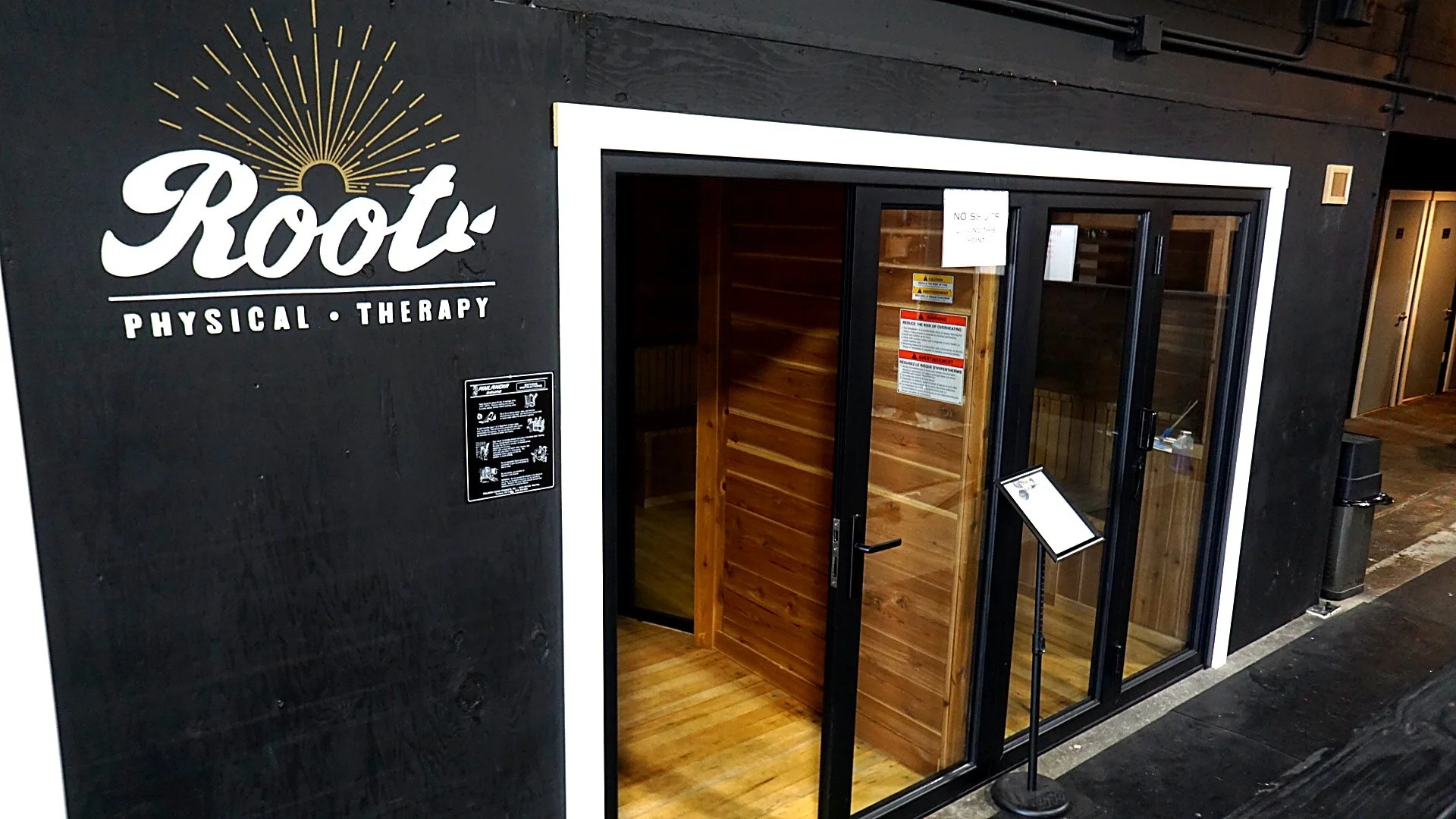
For the full clinical perspective on sauna and recovery — including the specific physiological mechanisms, pain management applications, and who should be cautious from a medical standpoint — see the companion post from our PT team: Sauna and Recovery — A Clinical Guide from Root Physical Therapy.
Our PT team at Root Physical Therapy — located in the same building as Root Strength — can assess whether sauna use is appropriate for your specific health situation and how to integrate it with your recovery plan.
Train. Recover. Repeat.
Two weeks of unlimited access to our classes, our coaching, our community — and our 12-person custom sauna. The full product, not an intro class.
Start 2-Week Trial →