

Why Most People Quit the Gym After 6 Weeks — And How to Not Be One of Them
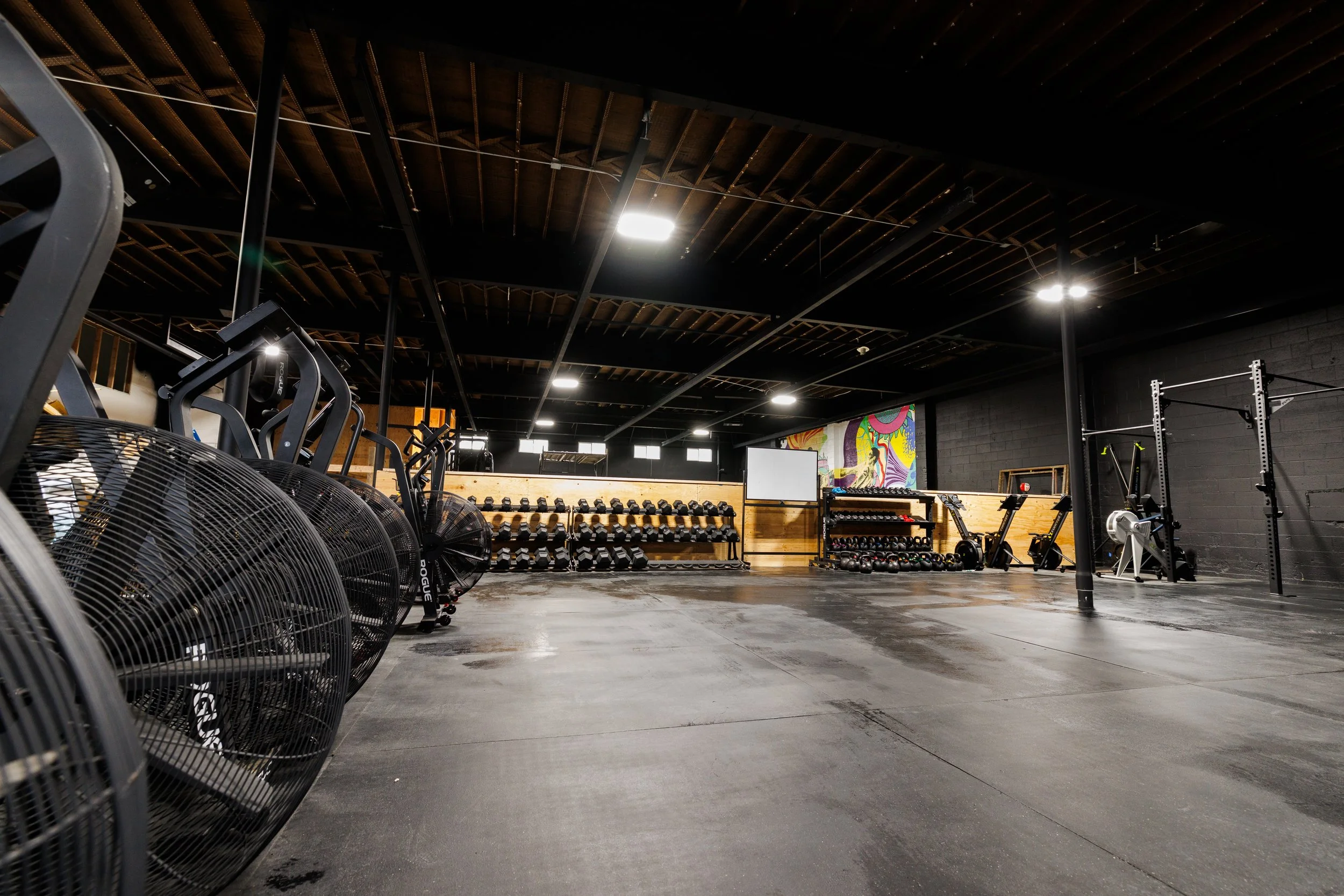
If you've quit a gym before, you're in the majority. Industry data consistently estimates that roughly half of new gym members stop attending within the first six months — and the steepest drop-off happens in the first six weeks. January is the busiest month at every gym in Seattle. By March, it looks like December again.
The standard narrative is that these people lacked discipline, didn't want it enough, or just lost motivation. That narrative is wrong — and it's worth naming why, because understanding the actual reasons people quit is the only way to not repeat the pattern.
Here are the five reasons people actually quit, and the specific structural fix for each one.
The Five Real Reasons People Quit
The single most common reason people quit. They sign up, walk in, look around, do some machines, maybe hop on a treadmill, and leave feeling like they accomplished something. The second time is similar. By the third time, they realize they have no idea whether what they're doing is effective, can't see a path from where they are to where they want to be, and the uncertainty becomes uncomfortable enough to just stay home.
This is not a motivation problem. It's a programming problem. People who have a structured plan — a specific workout, specific exercises, specific progression — show up consistently because they know what they're doing when they get there. People without a plan rely on willpower for every single session, which is a resource that depletes.
Have a plan before you walk in the door. Either follow a structured beginner program (our beginner guide covers the options), hire a coach to write one for you, or join a gym where programming is built in — like ours. The plan removes the decision fatigue that kills consistency.
A gym membership is a passive product. Nobody notices when you don't show up. Nobody asks where you were on Wednesday. The treadmill doesn't care. Your membership fee comes out whether you go or not. For people who need external structure — which is most people — this passivity is the gap that opens the door to skipping days, then skipping weeks, then canceling.
This is why personal training retains clients better than open gym access, and why class-based gyms retain members better than equipment-access gyms. The accountability is structural, not willpower-dependent.
Choose a gym model that has built-in accountability: class schedules, coaches who know your name, training partners who notice when you're not there. At Root Strength, our coaches know every member. If you miss a week, someone notices. That's not surveillance — it's the social structure that keeps people coming back.
The January pattern. Someone who has not exercised in months signs up, commits to going five days a week, trains hard every session, is profoundly sore for a week, and by week three is physically and mentally exhausted. The body can't recover, the schedule is unsustainable, and the whole enterprise starts to feel punishing rather than rewarding.
The instinct is understandable — you want results, you're motivated, you go hard. But the body adapts to training stress over weeks and months, not days. Starting at a pace you cannot sustain is a reliable way to burn out before the adaptations have time to take hold.
Start with 2–3 sessions per week, not 5–6. Keep intensity moderate for the first month. Let your body adapt to the new demand before increasing volume. The people who train consistently for years are almost never the ones who went hardest in week one — they're the ones who started conservatively and built from there.
The first few weeks of a new exercise program produce visible, week-over-week improvement — mostly neurological, not structural, but it feels like fast progress and it's motivating. Around week 4–6, those rapid gains slow down. The scale stops moving as fast. The weights don't go up as dramatically. You look in the mirror and can't see as much change as you expected.
This is the single most dangerous moment for gym retention. The initial progress created an expectation of linear improvement, and when reality doesn't match, people interpret the plateau as evidence that the program isn't working. It is working — but the visible adaptation phase is slower and requires more patience than the neurological phase did.
Know that the plateau is coming before it arrives. Track objective metrics — weight on the bar, reps completed, measurements — rather than relying on feel. Recognize that weeks 4–8 are where the real work begins, not where it ends. If you're in a coached environment, your coach can show you the progress you can't see yourself.
Some people quit because the gym itself is wrong for them — not because they lack commitment. A beginner at a hardcore powerlifting gym feels out of place. An experienced lifter at a boutique studio feels underchallenged. An introvert in a loud, high-energy class format feels drained rather than energized. Someone who needs guidance at an open-floor gym with no coaching feels lost.
The gym industry tends to treat all gym-quitters as people who failed at commitment. Many of them failed at gym selection — they were in an environment that didn't match how they actually train, and the mismatch wore them down.
Try before you buy. Use trials — most coaching-led gyms in Seattle offer them (including ours). Pay attention to how you feel during and after class, not just during the sales pitch. The right gym should feel like a place you want to return to — not a place you have to force yourself into. For an honest breakdown of how to match gym tier to your reality, see our gym pricing guide.
People don't quit gyms because they lack discipline. They quit because the setup was wrong — no plan, no accountability, unsustainable pace, invisible progress, or the wrong environment. Fix the setup and consistency follows.
What the People Who Stay Actually Do Differently
After watching hundreds of members come through Root Strength over the years, the patterns among people who stay — the ones who are still training after 1, 2, 5 years — are remarkably consistent. They don't have more willpower. They have better structure.
They train on a schedule, not on motivation
The members who last long-term treat their training sessions like appointments — fixed in their calendar, not negotiable, not contingent on how they feel that day. Monday, Wednesday, Friday at 6 AM is a schedule. "I'll try to go this week" is not. Motivation fluctuates. Schedules don't.
They start conservatively and build
Consistently, the members who are still with us after two years are not the ones who came in the hottest in their first month. They're the ones who started at 2–3 sessions per week, added a fourth session after two months, and let intensity build gradually. Their trajectory is slow and upward. The fast starters flame out.
They find people to train with
The social component of training is underrated in fitness content and overrepresented in actual retention data. People who train with a partner, a class, or a community of regulars are dramatically more likely to stick with it than people who train alone. The obligation is social — you show up partly because people expect you to — and the reward is social too.
They address problems instead of training through them
The members who stay healthy long-term are the ones who come to a coach or to our on-site PT team when something hurts, rather than pushing through it until it becomes an injury that forces them to stop entirely. Managing a tweak in week 3 costs one modified session. Ignoring it costs weeks or months of recovery from an injury that didn't need to happen.
They redefine what "results" means
The members who stay don't typically stay because they achieved a specific physique goal. They stay because they discovered that training changes how they feel — their energy, their sleep, their confidence, their resilience. The aesthetic and performance improvements come, but the people who last are driven by the experience of training itself, not just its outputs.
The 12-Week Threshold — When It Stops Being Effort
Behavioral research on habit formation — particularly in exercise contexts — consistently identifies a threshold around 10–12 weeks of consistent practice where the behavior begins to feel automatic rather than effortful. Before this threshold, every session requires a conscious decision to go. After it, the decision is made — you just go. The default switches from "should I go?" to "of course I'm going."
This is why the first 12 weeks matter disproportionately. Everything in this post — the structured plan, the accountability, the conservative start, the plateau management, the right environment — is designed to get you through those 12 weeks. Once you're through them, the habit sustains itself.
The members who train with us for years all had a first 12 weeks. Most of them would tell you it wasn't easy. All of them would tell you it was worth it.
If you've quit a gym before, that is information about the setup — not about you. The discipline didn't fail; the structure did. If you're considering trying again, ask yourself which of the five reasons above was the real cause last time, and choose a starting point that addresses it. For most people, that means a gym where the plan, the accountability, and the community are built in — not bolted on as an optional add-on.
Where Root Strength Fits in This Picture
Our model is specifically designed around the five retention problems above. Small-group classes with capped attendance (so coaches actually know you). Structured programming that progresses over time (so you always know what to do). A schedule that builds consistency into the week rather than leaving it to chance. An on-site PT team that catches problems before they become injuries. And a community of training partners who notice when you're not there.
We're not trying to be the cheapest gym in Seattle — we've written honestly about what different gym tiers cost and why. We're trying to be the one you don't quit. That's what our model is built for, and it's the metric we care about most.
Try It Before You Commit
Two weeks of unlimited access to our schedule, our coaches, and our community. The real product, not an intro class. The best way to know if this is the right fit is to experience it — not to read about it.
Start 2-Week Trial →