What it means to train at a gym where your coach and your PT share a floor.
What it means to train at a gym where your coach and your PT share a floor.

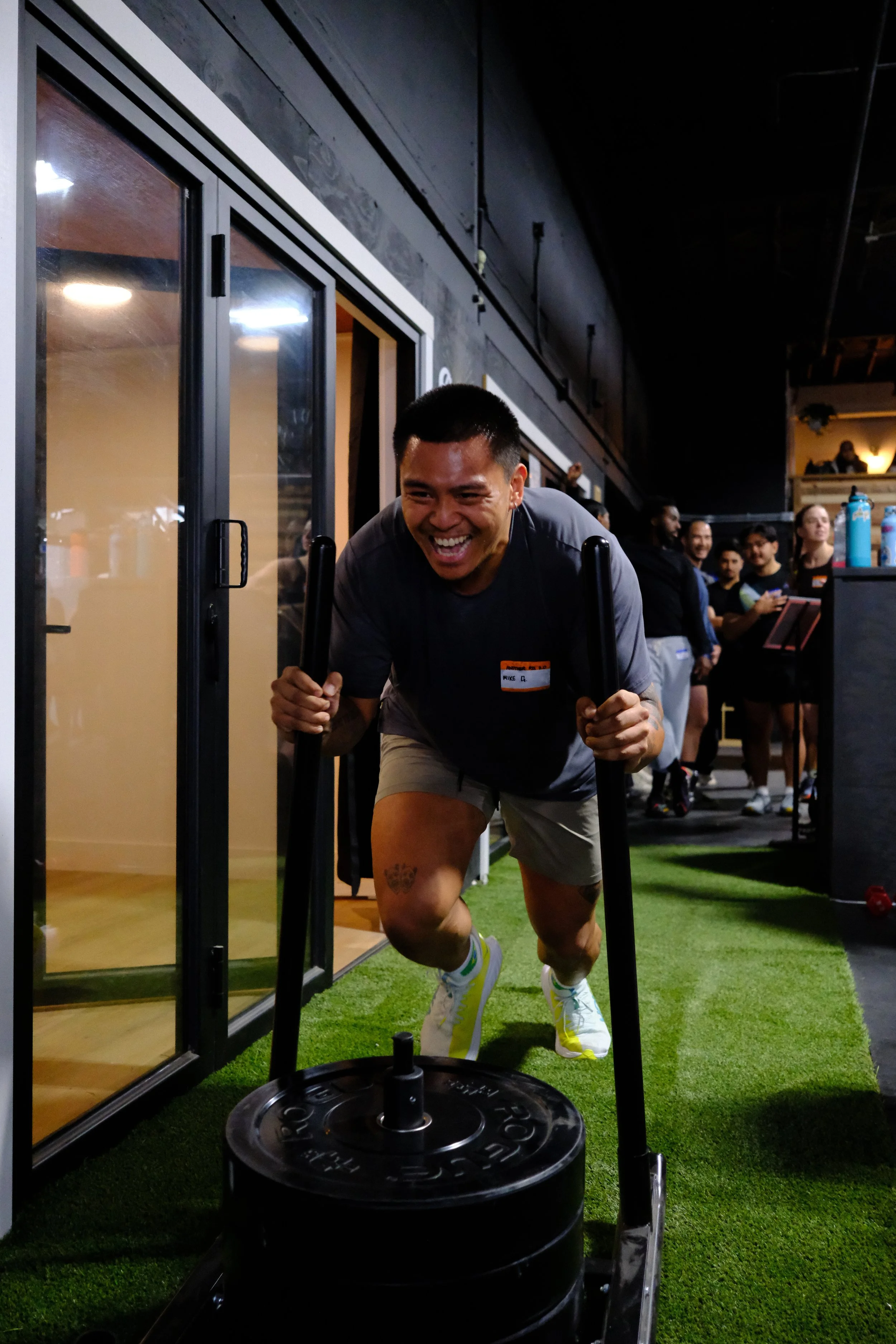
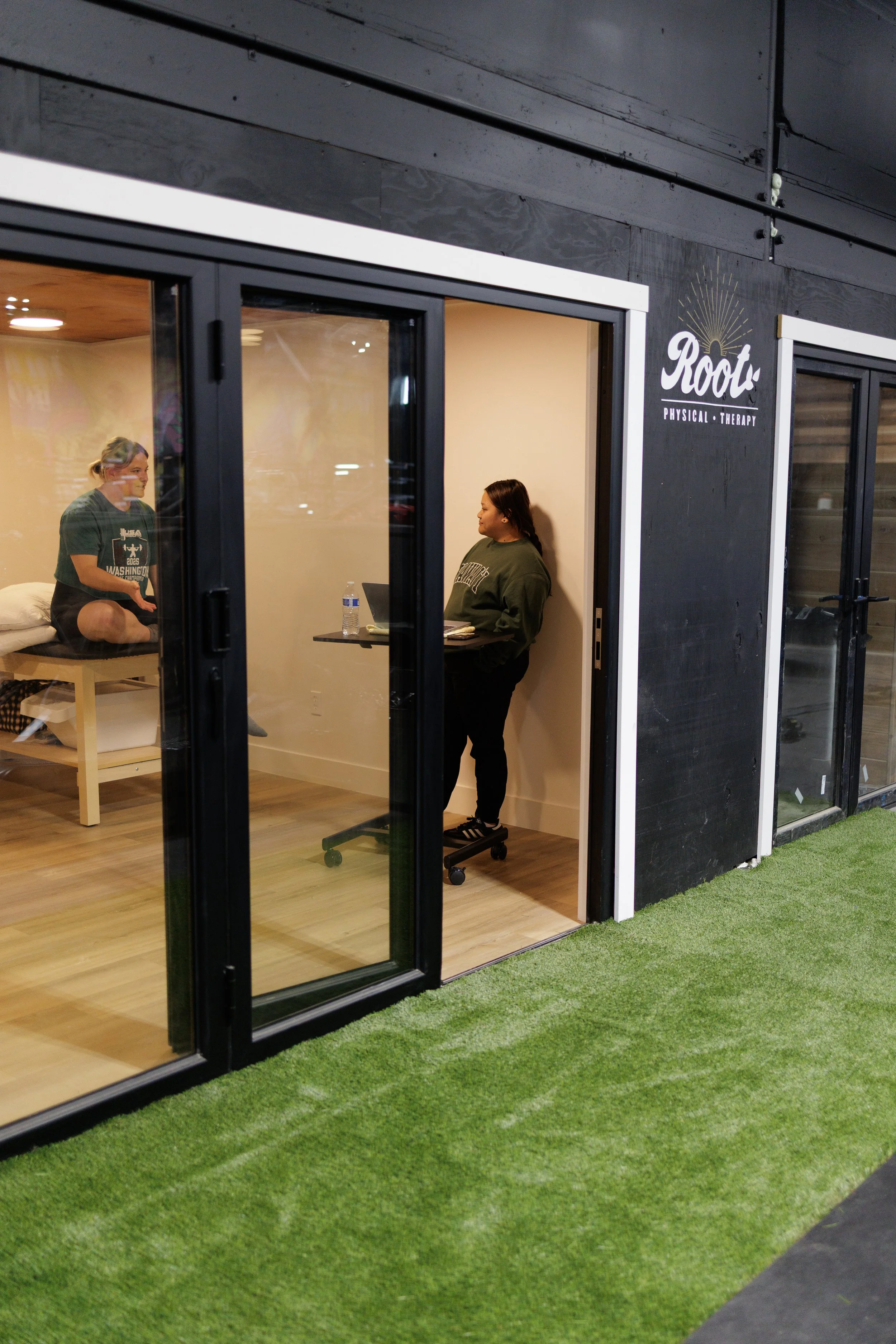
Every gym says they care about your longevity. Here is what that actually looks like at Root Strength: when a member tweaks their shoulder on a Tuesday, they do not disappear for three months. They walk twenty feet to Root Physical Therapy — inside our building — get evaluated by a Doctor of Physical Therapy, and start a structured path back to the exact barbell they left. Often, they never fully stop training at all.
This is not a partnership with a clinic across town. Root PT is our physical therapy department. Our coaching staff includes Doctors of Physical Therapy who teach classes on our floor. And the system that connects rehab to training has a name: the PT-to-Performance Bridge.
The problem with "go rest and come back when you're better"
Traditional gyms have exactly one answer to injury: stop training. Traditional PT clinics have exactly one endpoint: discharge when the pain is gone. Between those two systems is a canyon — the deconditioned, unsupervised, "am I allowed to squat yet?" months where most reinjuries happen and most training habits die.
Research backs this up. Athletes who return to sport after meeting objective strength and movement criteria have dramatically lower reinjury rates — 5.6% versus 38.2% in the landmark Delaware-Oslo cohort — than those who come back on a calendar schedule alone (Grindem et al., 2016). The question is not whether you rest long enough. It is whether your body has demonstrably rebuilt the capacity your training demands.
How the Bridge works for members
If you get injured — training with us or anywhere else — your path looks like this:
1-on-1 Physical Therapy
Dedicated sessions: assessment, clinical diagnosis, hands-on treatment, and a progressive plan built around your condition and goals. From day one, we establish the objective benchmarks you will need to meet to progress.
"This is where it starts."PT-to-Performance Bridge
Your care expands from one provider to a coordinated team on the gym floor. More complex movements, real weight, two providers on one plan. Entry is earned — the Bridge is a benchmark, not a timeline.
"Where rehab becomes training."Continuation Period
Full access to all Root Strength classes and open gym. You already know the coaches, the equipment, and the routine — the habit is built during the Bridge, not after it.
"Your work doesn't stop — and neither do we."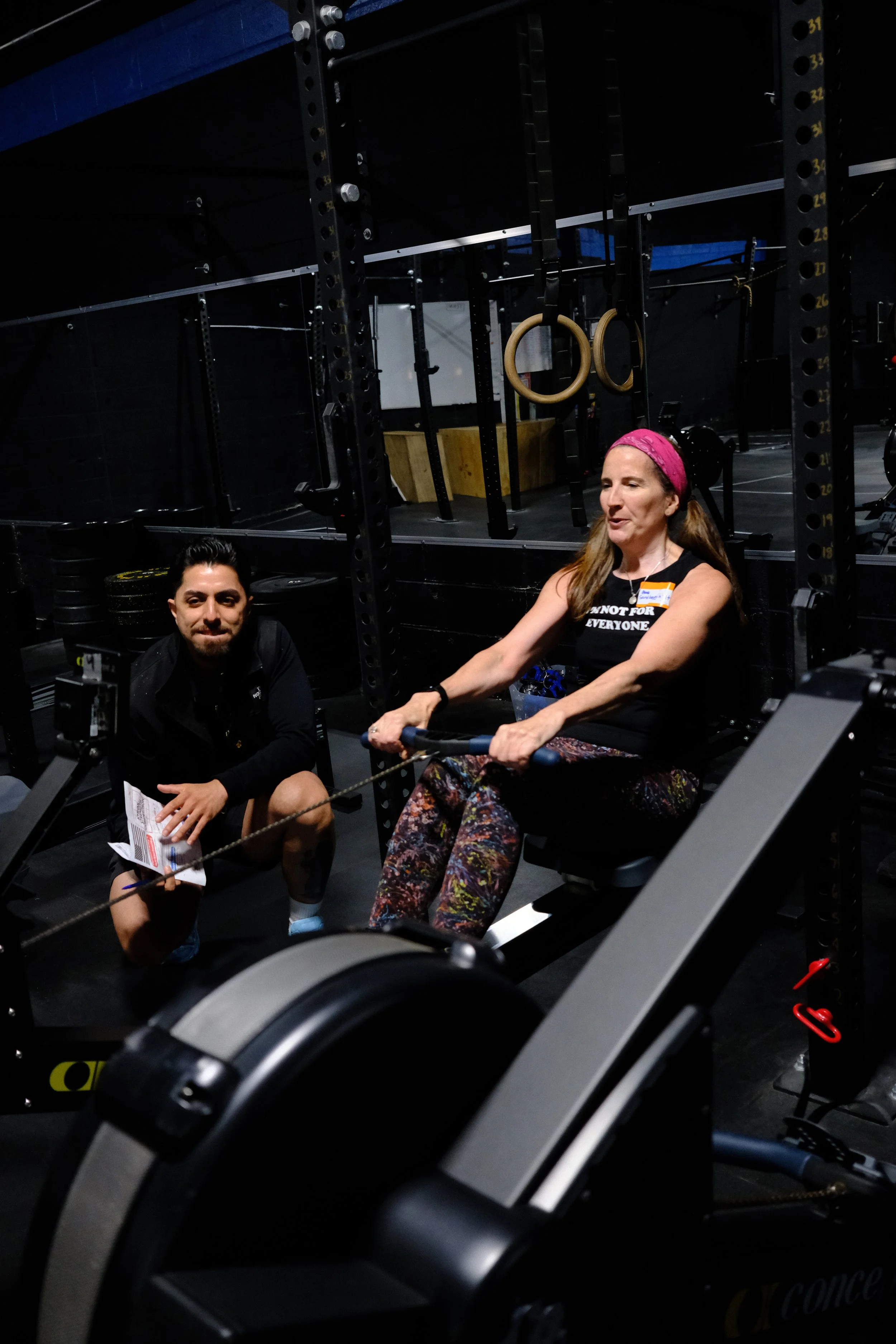
For our current members: the Bridge means an injury is a detour, not an exit. Your coach and your PT literally talk in person, on the same floor, about the same plan. Your programming gets modified — not abandoned — and your return to full training is measured, tested, and earned.
Why this makes you a better athlete even if you never get injured
Having Doctors of Physical Therapy embedded in a strength facility changes the coaching everyone receives. Movement standards are informed by clinical assessment. Load progressions respect tissue physiology. Class programming accounts for the postpartum member, the fifty-five-year-old with a knee replacement, and the powerlifter peaking for a meet — because the people writing it treat all three.
And when your PT is also a strength coach, "rehab exercises" and "training" stop being different categories. The goal was never just to get you out of pain. It is to build you stronger than you were before the injury — with better movement, greater capacity, and habits that protect you going forward.
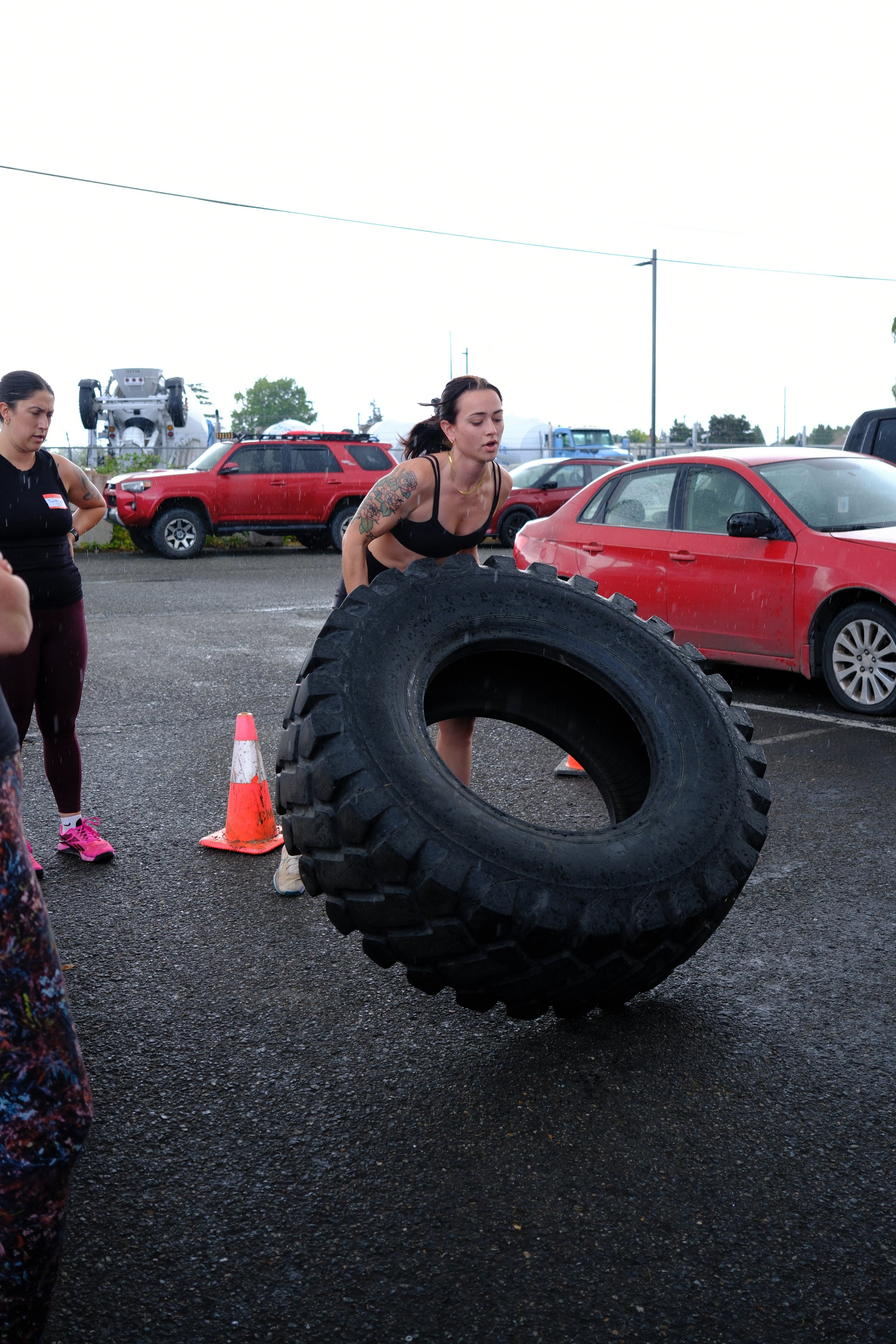
Train somewhere that plans for the long run.
Coached programs, open gym, 28 classes a week, sauna — and a full physical therapy department under the same roof. Come see the facility.
Start your 2-week trialSources
- Grindem H, Snyder-Mackler L, Moksnes H, Engebretsen L, Risberg MA. Simple decision rules can reduce reinjury risk by 84% after ACL reconstruction: the Delaware-Oslo ACL cohort study. British Journal of Sports Medicine. 2016;50(13):804–808.
- Losciale JM, et al. The association between passing return-to-sport criteria and second ACL injury risk: a systematic review with meta-analysis. JOSPT. 2019;49(2):43–54.